
Archives 2026

Suburban house at golden hour with a blank real estate sign in the front yard and sealed moving boxes by the porch, viewed straight-on from the curb.

Selling Your House During Divorce Without Losing Your Sanity (or Money)

Understand your legal rights before making any decisions about your marital home. In most states, the house is considered marital property regardless of whose name appears on the deed, meaning both spouses typically have equal claim to proceeds from the sale. Contact a family law attorney immediately to clarify your specific situation, as laws vary significantly by state and can impact everything from timing to profit distribution.

Get a professional appraisal to establish the home’s current market value. This objective assessment prevents disputes over listing price and ensures both parties receive fair compensation. Request this evaluation early in the divorce process, as property values can fluctuate and you’ll need this figure for settlement negotiations and potential buyout scenarios.

Decide between three primary options: selling the home and splitting proceeds, one spouse buying out the other’s equity, or postponing the sale until market conditions improve or children reach certain milestones. Each choice carries distinct financial and emotional implications. Selling typically provides the cleanest break and eliminates ongoing joint financial obligations, while a buyout allows one spouse to maintain stability and potentially build equity.

Separate emotion from financial decisions throughout this process. While your home holds memories and represents years of investment, approaching the sale strategically protects your financial future. Consider working with a real estate professional experienced in divorce sales who understands the unique challenges of coordinating between two households, managing tight timelines, and maintaining neutrality during what’s often a stressful transition.

Suburban house with for sale sign in front yard
Selling the marital home is often one of the most significant decisions couples face during divorce proceedings.

Understanding Your Options: What Happens to the House in a Divorce?

When divorce brings you to the difficult decision of what to do with your shared home, you’re facing three primary paths forward. Each option comes with its own financial implications and emotional considerations, and understanding them clearly can help you make the best choice for your situation.

The first and often most straightforward option is selling the house and dividing the proceeds. This approach provides a clean break, allowing both parties to start fresh without ongoing financial ties. It’s particularly practical when neither spouse can afford the mortgage independently or when you both want to move forward without shared assets. Selling converts your home equity into cash that can be split according to your divorce agreement or state property division laws.

Another common route is a buyout, where one spouse purchases the other’s share of the home equity. This works well when one person wants to stay in the home, perhaps to maintain stability for children or because of emotional attachment. The staying spouse typically needs to refinance the mortgage in their name alone and pay the departing spouse their portion of the equity. Keep in mind that qualifying for a new mortgage on a single income can be challenging.

The third option, continuing to co-own the property after divorce, is less common but sometimes necessary. Some couples choose this temporarily until the market improves or children graduate, while others maintain it as a rental investment. This requires ongoing cooperation and shared financial responsibility, which isn’t ideal for everyone.

Several factors influence which path makes sense for you: your current financial situations, local real estate market conditions, whether children are involved, and your ability to communicate and cooperate post-divorce. Consider consulting with both a divorce attorney and a real estate professional to evaluate your specific circumstances and make an informed decision that protects your financial future.

The Legal Side: Protecting Your Interests Before You List

Hands signing legal documents with house keys and property papers on desk
Legal documentation and formal agreements protect both parties’ interests when selling property during divorce.

Getting an Accurate Home Valuation

Getting an accurate home valuation is one of the most important steps when selling your house during a divorce. An independent, professional appraisal provides an objective foundation for negotiations and helps prevent disputes down the road.

During divorce proceedings, emotions can cloud judgment, and one spouse may overvalue the home while the other undervalues it. A licensed appraiser who specializes in your local market brings professional expertise and unbiased data to the table. They’ll consider comparable sales, current market conditions, your home’s condition, and recent improvements to determine fair market value.

To ensure both parties trust the results, consider hiring an appraiser together. Look for someone with strong credentials, local experience, and no prior relationship with either spouse. The American Society of Appraisers and the Appraisal Institute maintain directories of qualified professionals. Request references and verify their licensing status with your state’s regulatory board.

If you disagree on the home’s value even after an appraisal, you have options. Some couples choose to get a second opinion from another appraiser and average the two results. Others agree to let their attorneys or a mediator help resolve the difference. In some cases, getting multiple broker price opinions from local real estate agents can provide additional perspective.

Remember, an accurate valuation protects both parties financially and creates a fair starting point for dividing your assets. While there’s typically a cost involved, professional appraisals are worth the investment for peace of mind during this challenging transition.

Timeline Considerations and Court Orders

Timing your home sale around divorce proceedings requires careful coordination with your attorney and the court system. In many cases, judges will issue specific orders regarding when and how the property must be sold, and these court-mandated deadlines aren’t optional. You’ll need to work within these timeframes, which can sometimes feel rushed or inconveniently timed with market conditions.

The best approach is to discuss sale timing early in your divorce proceedings. Some couples choose to list the house before finalizing the divorce, allowing them to split proceeds and move forward separately. Others wait until after the decree is finalized, though this can delay both parties from accessing their equity and moving on.

Keep in mind that divorce timelines vary significantly by state and case complexity. Your sale might need to happen quickly if the court orders it, or you might have flexibility to wait for better market conditions. Communication between your divorce attorney and real estate agent is essential here.

If you’re facing tight deadlines or need to sell quickly due to court orders, consider all your options, including traditional listings and alternative sale methods that might expedite the process while meeting legal requirements.

Bright staged living room interior prepared for home sale
Properly preparing and staging your home helps maximize sale value even during emotionally challenging circumstances.

Preparing Your Home to Sell: When Emotions Run High

Who Handles What: Dividing Preparation Responsibilities

Dividing preparation responsibilities fairly starts with creating a clear written agreement about who handles what. Consider splitting tasks based on each person’s strengths, availability, and proximity to the property rather than defaulting to a 50-50 split of everything.

For repairs and improvements, get multiple quotes together and decide on a budget limit. One approach is to have one spouse manage contractors while the other handles administrative tasks like paperwork and scheduling showings. Document all expenses with receipts and keep a shared spreadsheet to track spending.

When it comes to home staging costs and ongoing maintenance, decide upfront how you’ll split these expenses. Some couples choose to deduct all preparation costs from sale proceeds before dividing equity, which simplifies tracking.

If one spouse remains in the home during the sale, they typically handle day-to-day maintenance like lawn care and keeping the property showing-ready. The other spouse might take responsibility for coordinating with the real estate agent and reviewing offers.

Remember to communicate through email or text to maintain clear records of decisions and agreements, which helps prevent disputes later.

Quick Cash Sales vs. Traditional Market Sales

When going through a divorce, deciding between a quick cash sale and traditional market listing depends on your specific priorities and circumstances. Understanding both options helps you make the best choice for your situation.

A cash sale offers significant advantages when speed matters most. If you and your spouse want to finalize the divorce quickly, selling for cash can close in as little as one to two weeks compared to the typical 30-60 days (or longer) with traditional sales. This faster timeline means you can divide proceeds sooner and move forward with your lives. Cash sales also eliminate the stress of preparing your home for multiple showings, which can be particularly challenging when emotions are already running high and you’re both still living in the property.

Additionally, cash buyers typically purchase homes as-is, saving you from costly repairs or updates that you and your spouse might disagree about funding. You’ll avoid the uncertainty of buyer financing falling through, which happens in roughly 8-10% of traditional sales.

However, traditional market sales generally yield higher prices, sometimes 10-20% more than cash offers. If maximizing your equity is the priority and you have time to wait, listing with a real estate agent makes sense.

Your Home Tour offers a cash buying service designed specifically for situations requiring quick, hassle-free transactions. We provide fair, transparent offers and can work around your timeline, making the divorce process just a bit easier during an already difficult time.

Managing the Selling Process as Co-Sellers

Selling your home during a divorce requires you and your ex-partner to collaborate, which can feel overwhelming when emotions are running high. The key to a successful sale is establishing clear boundaries and communication methods that keep the process moving forward.

Start by agreeing on a primary communication channel that feels comfortable for both parties. Some divorcing couples find email works best because it provides a written record and removes the pressure of face-to-face conversations. Others prefer communicating through their attorneys or a neutral third party. Whatever method you choose, keep all discussions focused strictly on the sale and avoid revisiting personal issues.

Create a decision-making protocol early in the process. Determine which decisions require mutual agreement (like accepting an offer or making major repairs) and which can be handled independently (like scheduling showings). Document these agreements in writing to prevent misunderstandings later.

Your real estate agent can serve as an invaluable mediator during this challenging time. Choose an agent experienced in divorce sales who understands the sensitivity involved. They can act as a neutral point of contact, presenting information objectively to both parties and helping facilitate compromises when disagreements arise. Schedule separate meetings with your agent if joint conversations become too difficult.

Consider designating one person as the primary contact for routine matters like coordinating showings or answering minor questions from the agent. This streamlines communication and reduces unnecessary back-and-forth.

Remember, you both share the common goal of selling the property efficiently and maximizing your return. Keeping this objective front and center can help you navigate disagreements more effectively and reach closing day with minimal conflict.

Financial Considerations: Maximizing Your Proceeds and Minimizing Taxes

Capital Gains Tax Exemptions for Divorcing Couples

When selling your marital home during divorce, understanding tax exemptions can save you thousands of dollars. The good news is that the IRS offers a primary residence exclusion that allows you to exclude up to $250,000 of capital gains if you’re filing as single, or $500,000 if you’re filing jointly as a married couple.

Here’s where timing becomes crucial. To qualify for this exclusion, you must have owned and lived in the home as your primary residence for at least two of the five years before the sale. If you’re still married when you sell, you can take advantage of the larger $500,000 exclusion by filing jointly. However, if the divorce finalizes before the sale, you’ll each only qualify for the $250,000 individual exclusion.

The capital gains exclusion rules can be complex when divorce is involved, especially if one spouse keeps the home temporarily as part of the settlement. In some cases, a spouse who moves out may still claim the exclusion if they sell within the required timeframe, but specific conditions must be met.

Because divorce settlements and tax implications vary widely based on your unique situation, it’s essential to consult with both a tax professional and your divorce attorney before finalizing any sale agreements. They can help you structure the sale timing and terms to maximize your tax benefits while protecting your financial interests during this challenging transition.

Common Pitfalls to Avoid When Selling During Divorce

Selling a home during divorce comes with unique challenges, and unfortunately, many couples make costly mistakes that prolong the process and reduce their proceeds. Being aware of these common pitfalls can help you navigate the sale more smoothly and protect your financial interests.

One of the biggest mistakes is letting emotions dictate pricing decisions. When hurt or anger enters the equation, one spouse might insist on an unrealistically high price to delay the sale, while the other might push for a quick sale at any cost. Both approaches can cost you thousands of dollars. Work with your real estate agent to set a fair market price based on comparable sales and current market conditions, not feelings.

Warning: Emotional pricing decisions can cost you tens of thousands in lost value or add months to your time on market, delaying your fresh start.

Another frequent error is refusing reasonable offers out of spite. If your ex-spouse supports an offer, don’t automatically reject it just to be difficult. Evaluate each offer objectively with your agent and attorney, focusing on your financial goals rather than scoring points in the divorce.

Neglecting property maintenance is surprisingly common during divorce. When both parties have moved out or attention is focused elsewhere, the home can fall into disrepair. Overgrown yards, minor repairs left undone, and general uncleanliness can significantly reduce buyer interest and sale price. Establish a clear maintenance schedule and stick to it.

Communication breakdowns about showing schedules create unnecessary complications. If one spouse still lives in the home, coordinate showing times respectfully. Missing out on potential buyers because of scheduling conflicts or last-minute cancellations only extends the selling timeline.

Finally, don’t make major unilateral decisions about repairs, staging, or price reductions without consulting your ex-spouse and your attorney. These decisions affect both parties financially and legally, and proceeding without agreement can create additional legal complications in your divorce proceedings.

Working with the Right Real Estate Professional

Navigating a divorce sale requires a real estate professional who brings both expertise and emotional intelligence to the table. The right agent can make this challenging process significantly smoother by maintaining neutrality and ensuring both parties feel heard and respected throughout the transaction.

Look for an agent with specific experience handling divorce sales. These professionals understand the unique complexities involved, from coordinating with attorneys to managing heightened emotions during showings and negotiations. They should demonstrate strong communication skills and a commitment to transparency, keeping both spouses informed at every step.

When interviewing potential agents, ask pointed questions about their divorce sale experience. How many similar transactions have they handled? Can they provide references from divorced clients? How do they plan to communicate with both parties fairly? Will they work with your attorneys and mediators to ensure all legal requirements are met?

The ideal agent should also have connections to other helpful professionals, including appraisers, home inspectors, and staging experts. They might recommend professional staging to maximize your home’s appeal without breaking the bank during an already expensive time.

Most importantly, your agent should remain genuinely neutral, never taking sides or showing favoritism. They’re working for both of you to achieve the best possible outcome. A skilled divorce sale specialist will help minimize conflict, expedite the sale, and allow both parties to move forward with their lives.

Real estate agent consulting with couple at conference table
Working with an experienced real estate professional helps divorcing couples navigate the complexities of selling their shared property.

Selling your house during a divorce certainly comes with unique challenges, but it doesn’t have to be overwhelming. With the right approach, clear communication, and professional support, you can navigate this transition more smoothly than you might expect. The key is focusing on practical steps rather than letting emotions drive your decisions.

Remember that you’re not alone in this process. Many couples successfully sell their homes during divorce every year by staying organized, setting realistic expectations, and relying on experienced professionals who understand the complexities involved. Whether you choose a traditional sale, quick cash offer, or buyout arrangement, having a solid plan helps reduce stress and keeps things moving forward.

If you’re feeling uncertain about your next steps or need personalized guidance for your specific situation, we’re here to help. Your Home Tour offers free consultations to walk you through your options without any obligation. We understand that this is a sensitive time, and our goal is to provide clarity and support as you make important decisions about your property. Reach out today to discuss how we can make this process easier for you.


Budget-friendly staged living room with neutral sofa, wood coffee table, rug, and potted plant, sunlit from the left, with a tidy kitchen visible through an open doorway.

Home Staging Costs That Won’t Empty Your Wallet

Expect to invest between $1,500 and $10,000 for professional home staging, with most homeowners spending around $3,000 to $5,000 depending on home size and how many rooms need attention. The good news? You control these costs more than you think, and staging almost always delivers a solid return by helping homes sell faster and often for higher prices.

Start by staging only the rooms that matter most to buyers: living room, kitchen, master bedroom, and main bathroom. These high-impact spaces give you the biggest bang for your buck, while secondary bedrooms and bonus rooms can often work fine with simple decluttering and fresh arrangements of existing furniture.

Consider a consultation-only approach where a professional stager visits your home for $300 to $500, provides a detailed action plan, and you handle the implementation yourself using items you already own or affordable rentals. This hybrid strategy saves thousands while still giving you expert guidance on furniture placement, color choices, and which updates truly matter.

Request quotes from multiple staging companies and ask specifically about their pricing structure, whether they charge monthly or flat fees, and what their packages include. Many stagers offer flexible options like partial staging or room-by-room pricing that can fit tighter budgets without sacrificing the polished look buyers expect.

What Actually Drives Staging Costs

Professional Staging vs. DIY: The Real Numbers

Let’s break down what you’ll actually spend on staging your home, because real numbers help you make smart decisions.

Professional staging typically costs between $1,500 and $5,000 for an initial consultation and three-month rental period. For a 2,000-square-foot home, expect to pay around $2,500 to $3,500 to stage key areas like the living room, primary bedroom, and kitchen. This includes furniture rental, accessories, and the stager’s design expertise. If you’re staging a luxury property or need a full-house treatment, costs can climb to $10,000 or more.

The DIY route is considerably lighter on your wallet. You might spend $500 to $1,500 on new accessories, fresh paint, updated lighting fixtures, and maybe renting a few statement pieces. For example, one homeowner I know spent just $800 on decluttering services, new throw pillows, artwork, and strategically placed mirrors to brighten their space.

Here’s the real consideration: professional stagers bring expertise that can translate to higher offers. They know exactly what buyers in your market want to see. However, if your home is already well-maintained and you have a good eye for design, DIY staging can deliver impressive results at a fraction of the cost.

The sweet spot? A hybrid approach. Hire a professional for a two-hour consultation (around $200 to $500) to get expert recommendations, then execute the plan yourself. This gives you professional insights while keeping costs manageable and putting you in control of the transformation.

Smart Ways to Cut Staging Costs Without Cutting Corners

Focus on High-Impact Rooms First

Here’s the reality: you don’t need to stage every room in your home to see impressive results. Smart sellers focus their staging budget on the three spaces that matter most to buyers—the living room, kitchen, and master bedroom.

Why these three? They’re the rooms where buyers spend the most time during showings and can most easily envision themselves living. The living room sets the tone for the entire home and showcases your lifestyle spaces. The kitchen often makes or breaks a sale since it’s the heart of the home and a major investment concern for buyers. The master bedroom appeals to buyers’ desire for a personal retreat and restful space.

Research consistently shows that partial staging—focusing on these high-impact areas—delivers nearly the same return on investment as full-home staging, but at a fraction of the cost. You might spend $1,500 to $2,500 staging these three rooms compared to $3,000 to $6,000 for an entire house.

Think of it this way: buyers will overlook a sparse guest bedroom if your living spaces look incredible. But they’ll struggle to see past a cluttered, outdated living room no matter how perfect the rest of your home appears.

If your budget allows, consider adding the dining room as a fourth priority, especially if it’s visible from the main living areas. Otherwise, keep secondary spaces clean and neutral, but save your staging dollars for where they’ll truly move the needle on your sale price.

Well-staged modern living room with neutral furniture and natural lighting
Strategic staging of high-impact rooms like the living room creates maximum appeal without requiring a full-home staging budget.

Shop Your Own Home

Before spending a dime on staging, take a fresh look at what you already own. You’d be surprised how effectively you can transform your space by simply shopping your own home and reimagining your existing pieces.

Start by walking through each room with a critical eye, as if you’re seeing it for the first time. Remove personal items like family photos, collectibles, and refrigerator magnets to help buyers envision themselves in the space. Pack away about one-third of your belongings to make rooms feel larger and less cluttered.

Next, identify your best furniture pieces and decor items. That beautiful mirror hanging in your bedroom might make a bigger impact in your entryway. The cozy throw pillows from your guest room could be just what your living room sofa needs to look inviting. Don’t be afraid to pull items from multiple rooms to create one perfectly styled space.

Rearrange furniture to maximize flow and highlight your home’s best features. Float furniture away from walls to create conversation areas, and remove oversized pieces that make rooms feel cramped. Sometimes simply angling a chair differently or repositioning a coffee table can completely change a room’s energy.

Clear off countertops, nightstands, and coffee tables, leaving only one or two carefully chosen decorative items. Group similar decor pieces in odd numbers for visual appeal. Finally, give everything a thorough cleaning. Fresh, clean spaces always show better, and it costs you nothing but time and elbow grease.

Budget-Friendly Staging Rentals and Resources

You don’t need to break the bank to make your home look magazine-ready. Several budget-friendly options can help you stage beautifully without the premium price tag.

Start by exploring affordable furniture rental companies like Fernish, CORT Clearance Centers, or local rental businesses that offer significant discounts on gently used pieces. Many rental companies have recently lowered their rates due to increased competition, with some offering monthly packages starting around $500 for essential pieces. You can often negotiate better rates for longer rental periods or multi-room packages.

Online marketplaces are goldmines for temporary staging needs. Facebook Marketplace and Craigslist frequently feature quality furniture from people moving or redecorating. Since you only need these pieces temporarily, you can purchase items and resell them after your home sells, essentially creating your own rental arrangement. This approach works particularly well for accent pieces like mirrors, lamps, and decorative accessories.

Don’t overlook the power of borrowing. Reach out to friends and family members who might lend furniture pieces for a few weeks. Many people have extra items sitting in storage that they’d be happy to share. Your real estate agent might also have connections with other agents or stagers who swap inventory.

Consider hybrid staging, where you rent only key pieces for high-impact rooms like the living room while using your existing furniture in bedrooms. This strategic approach can cut your staging costs by 50 percent or more while still creating that wow factor buyers are looking for.

The Five-Dollar Fixes That Make a Thousand-Dollar Difference

You don’t need to break the bank to make your home look like a million bucks. Some of the most impactful staging improvements cost less than your weekly grocery run, yet they can significantly influence how buyers perceive your property’s value.

Start with fresh flowers or high-quality faux arrangements. A $15 bouquet placed on the kitchen counter or dining table instantly adds life and color to your space. Buyers subconsciously associate fresh flowers with care and attention to detail. If you’re staging for multiple showings, invest in realistic artificial arrangements that maintain their appeal throughout your listing period.

Neutral throw pillows are staging gold. For $30 to $50, you can purchase a set that transforms dated furniture into contemporary showpieces. Stick with whites, grays, and soft tans that appeal to the broadest audience. This simple swap helps buyers envision their own style in the space while making your rooms feel current and well-maintained.

Cabinet and drawer hardware updates deliver remarkable impact for minimal investment. Swapping outdated brass knobs for modern brushed nickel or matte black pulls costs roughly $2 to $5 per piece. For an average kitchen, you’re looking at about $75 to $150 total, but the transformation makes cabinets appear upgraded and cared for.

Strategic lighting can completely change a room’s ambiance. Replace dim bulbs with bright, daylight-spectrum LEDs for under $30. Add an inexpensive table lamp to dark corners, or install $20 dimmer switches in key areas like the dining room to create atmosphere during showings.

Perhaps the most powerful five-dollar fix is actually free: decluttering. Remove personal photographs, excess furniture, and unnecessary items from countertops and shelves. This costs nothing but time, yet it makes rooms appear larger, cleaner, and more move-in ready. Buyers need to imagine their belongings in your space, not navigate around yours.

These budget-friendly touches work together to create a polished, cohesive presentation that helps buyers justify paying top dollar for your home. The secret isn’t spending more, it’s spending strategically on changes that catch the eye and appeal to emotions.

Hands placing fresh white flowers in vase on styled console table
Simple touches like fresh flowers and thoughtfully arranged accessories create an expensive look for minimal investment.

When to Spend and When to Save

Not every staging element delivers the same return on investment, and knowing where to allocate your budget can mean the difference between overspending and selling smart.

Start by considering your property type and price point. If you’re selling a starter home or condo, buyers typically expect move-in ready condition but not luxury finishes. Focus your budget on cleanliness, fresh paint, and decluttering rather than high-end furniture rentals. However, if you’re marketing a luxury property, professional staging with quality pieces becomes essential since buyers in this segment have higher expectations and are comparing your home to other well-presented listings.

Market conditions should guide your decisions too. In a hot seller’s market where homes fly off the market in days, you might skip full staging and invest only in key rooms like the living room and primary bedroom. In a slower market with more competition, comprehensive staging helps your home stand out and potentially sell faster, making the investment more worthwhile.

Here’s where to spend: Always prioritize curb appeal improvements like landscaping touch-ups and a clean entryway since first impressions matter tremendously. The living room, kitchen, and primary bedroom deserve attention because these spaces influence buying decisions most. Deep cleaning and fresh neutral paint offer incredible value for relatively low cost.

Here’s where you can save: Skip staging rarely-used spaces like formal dining rooms if your budget is tight. You can often use your own furniture with strategic rearrangement rather than renting everything. Guest bedrooms can remain empty or minimally furnished. Avoid trendy decor items that date quickly and focus instead on timeless, neutral pieces.

Consider your home’s condition as well. If your property needs repairs or updates, address those first before investing in staging. A beautifully staged home with obvious maintenance issues won’t fool savvy buyers. Think of repairs as your foundation and staging as the finishing touch that maximizes your home’s appeal once everything else is in order.

Real Staging Budgets: What Homeowners Actually Spend

Let’s look at what real homeowners are spending on staging across different property types, so you can set realistic expectations for your own budget.

For starter homes and condos (under 1,500 square feet), most homeowners invest between $1,500 and $3,000 for partial staging. This typically covers the living room, primary bedroom, and dining area with rental furniture for 60-90 days. Add another $500-800 for professional decluttering and deep cleaning before staging begins.

Mid-range homes (1,500-2,500 square feet) generally see staging costs between $3,000 and $6,000. At this price point, you’re looking at staging four to five key rooms with quality furniture rentals, accessories, and artwork. Many homeowners in this category spend an additional $1,000-1,500 on minor repairs and fresh paint to maximize the staging impact.

Luxury properties (2,500+ square feet) command higher budgets, typically ranging from $6,000 to $15,000 or more. These projects often include staging six to eight rooms, high-end furniture pieces, designer accessories, and sometimes outdoor spaces. The rental period might extend to 120 days or longer, accounting for the typically extended selling timeline of premium properties.

Here’s a transparent breakdown for a typical 2,000 square foot home: consultation fee ($200-500), furniture rental for three months ($2,500-3,500), accessories and artwork ($400-600), professional installation ($300-500), and monthly rental extensions if needed ($800-1,200 per month).

Remember, these investments often return dividends through faster sales and higher offers. Most real estate professionals report that staged homes sell 73% faster than unstaged ones, making the upfront cost well worth considering in your selling strategy.

Overhead view of budgeting materials including calculator and house keys on counter
Creating a realistic staging budget helps homeowners make informed decisions about where to invest their dollars for maximum return.

Here’s the reality: effective home staging doesn’t require a fortune, just smart planning and strategic choices. Whether you invest $500 in a DIY refresh or $5,000 in professional staging, the potential return on investment speaks for itself. Staged homes consistently sell faster and for higher prices than their unstaged counterparts, often recouping staging costs many times over.

The key is focusing your budget where it matters most. Prioritize high-impact areas like your entryway, living room, and kitchen. Tackle decluttering and deep cleaning first since these cost-effective steps deliver impressive results. Then layer in strategic updates based on what your specific property needs and what your budget allows.

Remember, staging is an investment in your home’s sale price, not just an expense. Even modest improvements can shift buyer perception and generate competitive offers. The most successful sellers are those who view staging as a crucial part of their selling strategy rather than an optional luxury.

Ready to create a staging plan that fits your budget and maximizes your home’s potential? I’m here to provide personalized guidance tailored to your specific situation and goals. Let’s connect and discuss how to make your home stand out in today’s market.

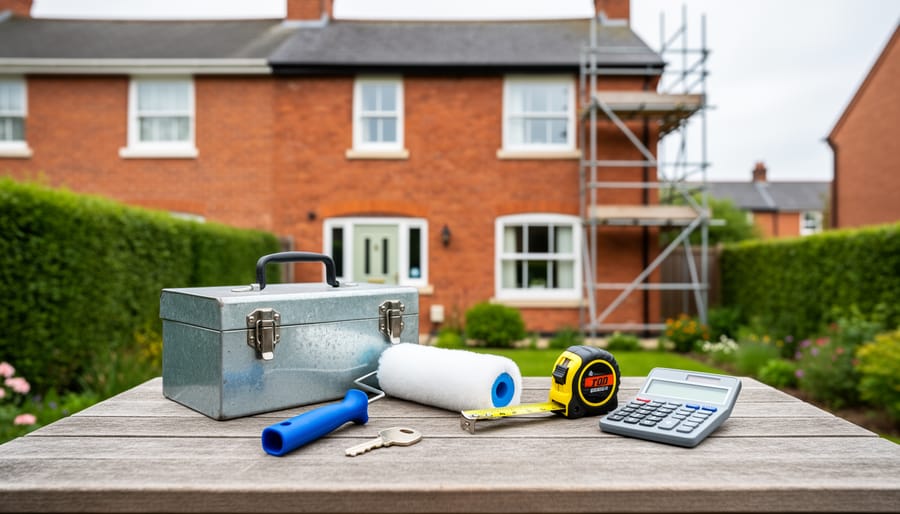
Close-up of toolbox, paint roller, tape measure, and calculator on a garden table, with a UK semi-detached brick house softly blurred in the background and light scaffolding on one side.

Should You Sell Your House As-Is or Spend Money on Repairs First?

Calculate your home’s repair costs against current market value before making any decisions. Request quotes from at least three contractors for needed repairs, then compare this total to the potential sale price increase. If repairs cost more than 70% of the added value they’d bring, sell house as-is UK becomes your more profitable option.

Assess your timeline and financial position realistically. Renovations typically take 2-6 months and require upfront capital you may not recoup. If you need to sell within 90 days or lack funds for improvements, selling as-is eliminates stress and uncertainty whilst still achieving a sale.

Identify your property’s actual condition versus perceived flaws. Cosmetic issues like outdated kitchens or worn carpets rarely justify major investments when selling, as buyers often renovate to personal taste anyway. Focus repairs only on structural problems, roof damage, or safety hazards that significantly impact property value or saleability.

Consider your buyer pool strategically. Move-in ready homes attract traditional buyers willing to pay premium prices, whilst as-is properties appeal to investors and cash buyers who close faster with fewer contingencies. Your choice depends on whether you prioritise maximum profit or speed and convenience.

Evaluate local market conditions and comparable sales. In hot markets, even dated properties sell quickly, making expensive upgrades unnecessary. In slower markets, strategic repairs might differentiate your listing, but only if they align with neighbourhood standards and buyer expectations for your price range.

What Does Selling a House ‘As-Is’ Really Mean?

When you sell a house “as-is,” you’re essentially telling buyers that you’re offering the property in its current condition without making any repairs or improvements before closing. Think of it as a “what you see is what you get” arrangement. The buyer accepts the home with all its existing issues, whether that’s outdated appliances, cosmetic wear and tear, or more significant structural concerns.

However, selling as-is doesn’t mean you can simply walk away without any responsibilities. This is where many homeowners get confused. You’re still legally required to disclose known defects and problems with the property. If you’re aware that the roof leaks, the foundation has cracks, or there’s mold in the basement, you must inform potential buyers through your disclosure statement. Failing to disclose known issues can lead to legal trouble down the road, even after the sale closes.

The key distinction is that while you must be honest about problems, you’re not obligated to fix them. Buyers purchase the home understanding they’ll need to handle repairs themselves, which typically means they’ll negotiate a lower purchase price to account for needed work.

Another common misconception is that as-is sales only attract lowball offers or problem properties. In reality, many homeowners choose this route for perfectly legitimate reasons like relocating quickly for work, settling an estate, or simply lacking the time and resources for renovations.

It’s worth noting that as-is clauses don’t shield you from everything. You still need to comply with local building codes for the sale, and buyers can still request inspections. They might even walk away if inspection results reveal more than they’re willing to take on. The difference is you’re under no obligation to address their findings or renegotiate based on repair requests.

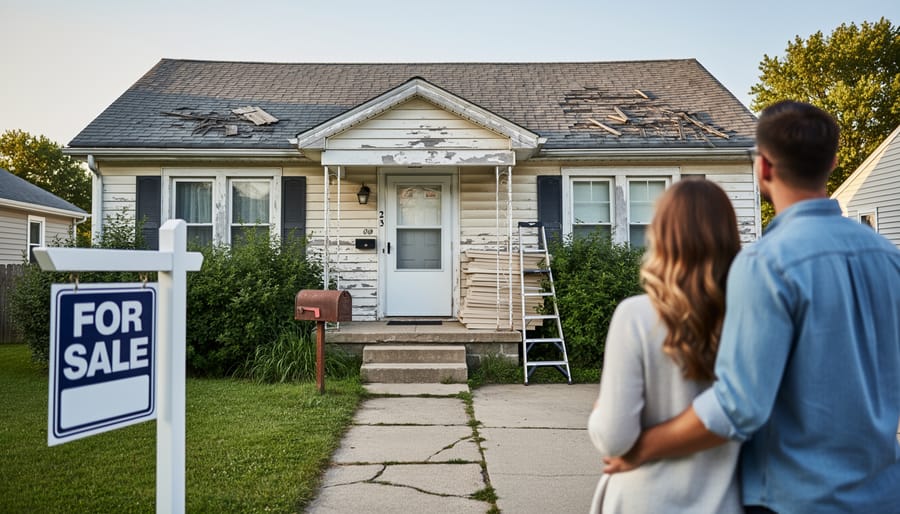
Suburban house exterior showing maintenance issues and overgrown landscaping
Houses with visible repair needs present homeowners with the decision of whether to invest in fixes before selling or list as-is.

When Selling As-Is Makes Perfect Sense

You Need to Sell Quickly

Sometimes life doesn’t give you the luxury of waiting for the perfect buyer or spending months on renovations. If you’re facing a job relocation across the country, you might have just weeks to close on your home before starting your new position. In these time-sensitive situations, selling as-is often makes the most practical sense.

Financial pressures can also create urgency. Whether you’re selling during financial hardship or need to access equity quickly, repairs can drain both your budget and precious time. The upfront costs of renovations may not be feasible when you’re already stretched thin.

Selling inherited properties presents another common scenario where speed matters. You might live out of state, lack emotional attachment to the property, or simply want to avoid the hassle of managing repairs from afar. In these cases, accepting a slightly lower sale price in exchange for a quick, straightforward transaction can provide tremendous peace of mind and allow you to move forward with your life without prolonged stress or financial commitment.

The Repair Costs Exceed Your Budget

Sometimes the math simply doesn’t add up. When you’re facing repair estimates that equal 20-30% or more of your home’s after-repair value, selling as-is often makes better financial sense. Major issues like foundation cracks, extensive structural damage, or a roof nearing the end of its lifespan can quickly drain your budget without guaranteeing a dollar-for-dollar return.

Consider this example: if your home needs $50,000 in foundation repairs but would only increase in value by $30,000, you’re losing $20,000 before even accounting for the time and stress involved. Similarly, outdated electrical systems, old HVAC units, or plumbing that needs complete replacement can cost tens of thousands with minimal impact on sale price.

Here’s a helpful rule of thumb: calculate your estimated repair costs, then research comparable homes in your area to see the realistic price increase you’d achieve. If repairs exceed 70-80% of the potential value gain, you’re better off selling as-is to cash buyers or investors who specialize in renovation projects. They have the resources and expertise to handle major repairs cost-effectively, something most homeowners can’t replicate.

You’re Targeting Cash Buyers or Investors

If you’re looking to sell quickly and your property needs work, cash buyers and real estate investors might be your ideal audience. These buyers actively seek as-is properties because they have the resources, experience, and business model to handle repairs themselves.

Real estate investors view fixer-uppers as opportunities rather than problems. They typically have established relationships with contractors, access to wholesale materials, and the expertise to renovate efficiently at lower costs than average homeowners. What might seem like a daunting renovation project to you could be a routine flip for them.

Cash buyers, whether investors or individuals with liquid assets, offer distinct advantages. They don’t need mortgage approvals, which eliminates financing contingencies that cause deals to fall through. This means faster closings—often in as little as seven to fourteen days—and fewer complications during the transaction process.

These buyers also expect as-is properties to be priced accordingly. They’re not looking for move-in ready homes, so they won’t be turned off by outdated kitchens, worn carpets, or cosmetic issues. Instead, they’re calculating potential profit margins and evaluating the property’s bones and location.

If your timeline is tight, you’re dealing with inherited property, or you simply don’t want the hassle of coordinating repairs, marketing to cash buyers and investors can be your most straightforward path. They’ll handle the heavy lifting after closing, allowing you to move forward without the stress of managing renovation projects.

When Making Repairs Before Selling Pays Off

High-Impact, Low-Cost Repairs

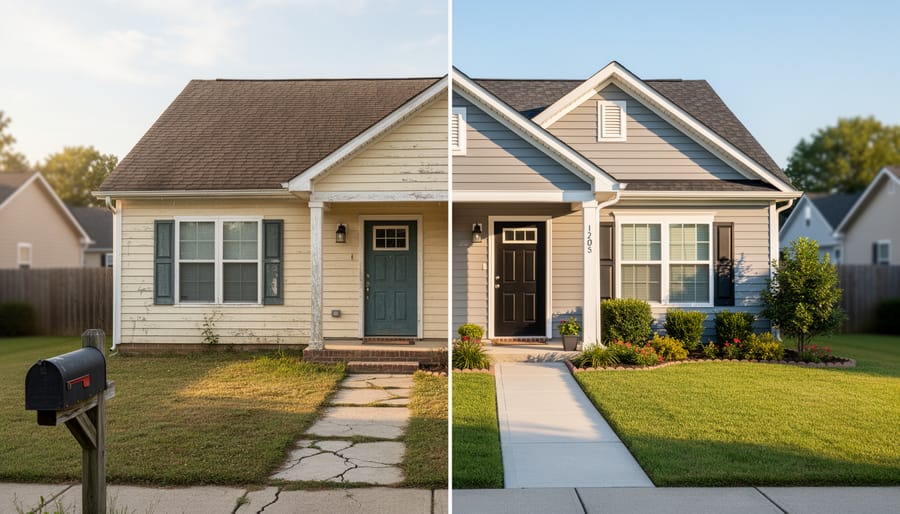
If you’re leaning toward making some improvements before selling, focusing on high-impact, low-cost repairs can deliver impressive returns without draining your budget. These strategic updates help your home make a strong first impression and appeal to more buyers—all while keeping your investment minimal.

Start with fresh paint. A neutral, modern color palette throughout your home instantly brightens spaces and makes rooms feel cleaner and larger. Interior painting typically costs between $1-3 per square foot and can yield returns of up to 107% in perceived value. Focus on high-traffic areas like living rooms, kitchens, and entryways where buyers form their initial impressions.

Curb appeal improvements are equally important since buyers often decide within seconds of arriving whether they’re interested. Simple fixes like trimming overgrown bushes, adding fresh mulch, planting colorful flowers, and power washing the exterior, walkways, and driveway can dramatically transform your home’s appearance. A new mailbox, updated house numbers, and a fresh front door paint job cost under $300 combined but create an inviting entrance.

Inside, address minor cosmetic issues that buyers notice immediately. Replace outdated light fixtures with modern alternatives, update cabinet hardware in kitchens and bathrooms, fix leaky faucets, patch wall holes, and deep clean carpets or refinish hardwood floors. These budget-friendly staging tips help buyers envision themselves living in your space without breaking the bank.

Painter applying fresh white paint to interior wall with roller
Simple cosmetic updates like fresh paint can dramatically improve a home’s appeal without major investment.

Your Market Favors Move-In Ready Homes

In certain markets, particularly those with high buyer demand and limited inventory, move-in ready homes command premium prices and sell remarkably faster. When traditional buyers are competing for properties, they’re often looking for homes they can occupy immediately without the hassle of coordinating contractors or living through renovations.

Competitive markets typically attract buyers who’ve been pre-approved for mortgages and are ready to move quickly on the right property. These buyers are willing to pay more for homes that won’t require additional investment or cause delays in their moving timeline. If your local market shows low inventory, multiple offers on listings, and homes selling at or above asking price, you’re likely in an environment that rewards repairs.

Making strategic updates in these conditions can trigger bidding wars and push your final sale price well beyond your investment in improvements. Even modest upgrades like fresh paint, updated fixtures, and addressing obvious maintenance issues can make your home stand out among limited options. Real estate agents in hot markets will tell you that well-maintained properties often receive offers within days, sometimes with buyers waiving inspection contingencies.

Before committing to repairs, check recent comparable sales in your neighborhood and consult with a local agent about current buyer expectations. If homes are moving fast and selling above list price, investing in improvements could deliver substantial returns.

The Repair Will Eliminate Deal-Breakers

Some repairs aren’t optional if you want your sale to succeed. Certain issues can cause deals to fall apart during the inspection period or prevent buyers from securing financing altogether. Lenders typically won’t approve mortgages for homes with serious safety hazards or code violations, making these deal-breakers you’ll need to address regardless of your selling strategy.

Critical fixes that prevent failed transactions include electrical hazards like outdated wiring or overloaded panels, structural problems such as foundation cracks or roof damage, and plumbing issues like sewer line failures. Homes with missing smoke detectors, exposed asbestos, or failing HVAC systems often can’t pass inspections required by mortgage companies.

If an inspector flags these items, buyers will either walk away or demand repairs before closing. Even cash buyers may request significant price reductions to cover these costs themselves. The good news? Addressing these deal-breakers upfront prevents last-minute surprises and keeps your transaction on track. You’ll gain negotiating power and attract more qualified buyers who can actually close.

Consider getting a pre-listing inspection to identify potential deal-breakers early. This allows you to make informed decisions about which repairs truly matter for your sale’s success, rather than discovering problems when you’re already under contract and facing time pressure.

Person calculating home repair costs with contractor estimates and calculator on table
Calculating repair costs versus as-is sale prices requires careful financial analysis to determine the most profitable path.

Calculating the Real Cost of Each Option

Estimating Repair Costs Accurately

Getting accurate repair estimates is crucial for making an informed decision about selling as-is or fixing up your property. Start by requesting quotes from at least three licensed contractors for each major project. This gives you a realistic price range and helps you spot unusually high or low bids that might indicate problems.

When meeting with contractors, be specific about the work needed and ask for itemized quotes that break down materials and labor costs. Don’t forget to factor in permit fees, which can add 10-20% to your total expenses. It’s also wise to build in a 15-20% cushion for unexpected issues that often arise during renovations, especially in older homes.

Prioritize repairs strategically by focusing first on health and safety concerns like electrical issues, roof leaks, or structural problems. These address inspection red flags and protect your liability. Next, tackle cosmetic improvements that deliver strong returns, such as fresh paint or updated fixtures. Keep detailed records of all quotes and timelines, as this information helps you compare the total investment against your potential selling price increase and determine which path makes the most financial sense for your situation.

Understanding the As-Is Price Discount

When you sell your home as-is, you’re essentially asking buyers to accept the property in its current condition, which typically means accepting a lower price. Industry data shows that as-is homes generally sell for 10-30% below comparable market-ready properties, though this range can vary significantly based on your specific circumstances.

The actual discount depends on several factors. Minor cosmetic issues might only warrant a 5-10% reduction, while homes needing major repairs like roof replacement, foundation work, or complete system overhauls could see discounts of 25-35% or more. Location matters too—in hot markets with low inventory, you might negotiate a smaller discount than in buyer-friendly markets.

To estimate your situation, start by getting a comparative market analysis from a real estate agent to determine what similar homes in move-in condition are selling for. Then, obtain repair estimates from licensed contractors for needed work. Add a 10-20% buffer to account for unexpected issues buyers might discover during inspection. This total repair cost, plus the inconvenience factor for buyers, generally represents your expected price reduction.

Remember, while the discount might seem steep, you’re also saving time, money on repairs, and avoiding the stress of renovation projects. Many homeowners find this trade-off worthwhile for a faster, simpler sale.

Factoring in Time and Stress

Beyond the dollars and cents, you’ll want to consider what managing repairs actually means for your daily life. Holding a property while making repairs means continuing to pay the mortgage, property taxes, insurance, and utilities—carrying costs that can add up quickly over weeks or months.

Then there’s the reality of contractor management. Coordinating multiple trades, obtaining permits, scheduling inspections, and ensuring quality work requires significant time and energy. If you’re juggling a full-time job, managing another property, or dealing with personal circumstances like relocation or family matters, this can become overwhelming fast.

Your emotional bandwidth matters too. Some homeowners find the repair process empowering and even enjoy seeing their home transformed. Others—especially those dealing with inherited properties, divorce, or financial stress—may find that the constant decision-making and problem-solving depletes their mental energy.

Be honest about your capacity. If you’re already stretched thin or facing tight timelines, selling as-is might preserve your peace of mind and allow you to move forward more quickly, even if it means accepting a somewhat lower sale price.

The Middle Ground: Strategic Improvements

You don’t have to choose between a complete renovation and selling your home exactly as it stands. There’s a smart middle path that focuses on strategic, cost-effective improvements delivering the biggest impact for your investment.

Think of this approach as giving your home a polished presentation without breaking the bank. The goal is addressing obvious detractors while keeping your budget and timeline reasonable. This strategy works particularly well if your home’s structure and major systems are solid, but the cosmetic appeal needs a boost.

Start with deep cleaning and decluttering. A spotless home photographs better, shows better, and signals to buyers that the property has been well-maintained. Consider professional staging cleaning services to achieve that market-ready shine that makes a memorable first impression.

Next, tackle quick cosmetic fixes that buyers notice immediately. Fresh neutral paint can transform tired rooms for a few hundred dollars. Replace outdated light fixtures, cabinet hardware, and faucets to modernize spaces without major construction. Fix minor issues like leaky faucets, squeaky doors, or cracked tiles that might raise red flags during showings.

Focus on curb appeal because first impressions matter tremendously. Trim overgrown landscaping, power wash the exterior, add fresh mulch to flower beds, and ensure your entryway looks inviting. These improvements typically cost under a thousand dollars but can significantly boost perceived value.

Consider your local market when deciding which improvements to prioritize. In competitive markets, even modest updates can help your listing stand out and potentially spark multiple offers. In slower markets, strategic improvements might be the difference between sitting on the market and selling within a reasonable timeframe.

The beauty of this middle-ground approach is flexibility. You’re investing strategically in improvements with proven returns while avoiding expensive projects that might not recoup their costs. Most homeowners following this path spend between two and five thousand dollars and see substantially improved buyer interest.

How to Sell Your House As-Is Successfully

Finding the Right Buyers

If you’re leaning toward selling as-is, knowing where to find the right buyers can make all the difference in getting a fair offer quickly. Traditional buyers typically want move-in ready homes, but there’s a thriving market of investors, house flippers, and cash buyers actively searching for properties they can purchase without repairs.

Start by listing your home on platforms that cater to investors, such as Zillow’s “Make Me Move” feature or investor-focused Facebook groups in your area. These channels attract buyers who understand as-is transactions and won’t be deterred by cosmetic issues or needed updates.

Consider reaching out directly to local real estate investment companies and wholesalers who specialize in quick closings. Many actively mail postcards or advertise online, making them easy to identify. You can also work with a real estate agent experienced in investor sales—they often have established networks and can market your property effectively to the right audience.

Don’t overlook online home buying companies that provide instant offers. While their offers might be lower than market value, they eliminate showings, negotiations, and lengthy closing processes. The key is obtaining multiple offers from different buyer types to ensure you’re getting competitive terms that align with your timeline and financial goals.

Pricing Your As-Is Home Competitively

Setting the right price for your as-is home is crucial to attracting serious buyers while maximizing your return. Start by partnering with a local real estate agent who has experience selling properties in current condition. They’ll provide a comparative market analysis showing what similar as-is homes have sold for in your neighborhood, giving you a realistic baseline.

Consider hiring a professional appraiser for an objective valuation. They’ll assess your home’s condition and factor in needed repairs when determining market value. This investment typically costs a few hundred dollars but can prevent costly pricing mistakes.

Your pricing strategy should account for the discount buyers expect when purchasing as-is properties, usually ranging from 10-20% below market value for move-in ready homes. However, don’t undervalue your property. Even without major updates, factors like location, lot size, and structural soundness add value.

If your home has good bones and just needs cosmetic work, simple improvements like staging on a budget can justify a higher asking price. Your agent can advise whether minor touch-ups might bridge the gap between as-is pricing and traditional market rates, helping you make an informed decision about your final listing price.

Being Transparent About Property Condition

Whether you’re selling as-is or after making repairs, transparency about your property’s condition isn’t just good ethics—it’s a legal requirement. Even when marketing your home as-is, you’re still obligated to disclose known defects like foundation issues, roof damage, or plumbing problems. Hiding these issues won’t protect you from future liability and can derail deals at the last minute when inspections reveal undisclosed problems.

Being upfront actually works in your favor. Buyers appreciate honesty and are more likely to move forward when they understand exactly what they’re getting. If you’re selling as-is, clear disclosures help set realistic expectations and attract buyers who are prepared for the property’s condition. This transparency reduces the likelihood of renegotiations or buyers walking away after their inspection. Remember, as-is means the price reflects the condition—not that you can skip disclosure requirements. Building trust through honest communication creates smoother transactions and protects you from potential legal headaches down the road.

Questions to Ask Yourself Before Deciding

Before you commit to either path, take a moment to honestly evaluate your unique situation. These questions will help clarify which direction makes the most sense for you.

First, consider your timeline. Do you need to sell quickly due to relocation, financial hardship, or another time-sensitive reason? If you’re facing foreclosure, dealing with an inherited property you can’t maintain, or simply need to move within the next month or two, selling as-is typically offers a faster solution. Repairs can easily stretch your timeline by several months when you factor in contractor schedules, inspections, and potential setbacks.

Next, examine your financial position carefully. Do you have readily available funds to cover repair costs upfront? Can you afford to wait several months for those repairs to potentially translate into higher sale proceeds? Remember that renovation costs often exceed initial estimates, so you’ll want a comfortable financial cushion. If accessing capital feels challenging or stressful, that’s a strong indicator that as-is might be your better option.

Take an objective look at your property’s condition. Are we talking about cosmetic updates like fresh paint and new fixtures, or do you face structural issues, foundation problems, or outdated systems? Major repairs require substantial investment and don’t always deliver proportional returns. Minor cosmetic improvements, however, can significantly boost buyer appeal without breaking the bank.

Understanding your local market dynamics is equally important. Is your area experiencing high demand where homes sell quickly regardless of condition? Are comparable properties in similar condition selling successfully? In hot markets, buyers may be more willing to purchase as-is and handle renovations themselves.

Finally, reflect on your personal goals and stress tolerance. Are you emotionally prepared to manage contractors, make design decisions, and oversee a renovation project? Some homeowners find the process rewarding, while others prefer a straightforward, hassle-free sale. Your peace of mind matters just as much as the financial considerations, so choose the path that aligns with both your wallet and your wellbeing.

There’s no universal answer to whether you should sell your house as-is or invest in repairs. Your decision depends on your timeline, budget, local market conditions, and personal circumstances. The best choice for your neighbor might not be the right one for you, and that’s perfectly okay.

Take time to honestly assess your situation using the factors we’ve discussed. Calculate potential returns on repairs, consider your emotional bandwidth, and evaluate your financial flexibility. If you’re uncertain about property values or repair costs, getting professional input can help you avoid costly mistakes.

This is where having trusted resources makes all the difference. Your Home Tour offers free consultations to help homeowners like you navigate these decisions with confidence. Our team can walk through your property, discuss your goals, and provide personalized guidance based on your unique situation. We also offer cash-buying services if selling as-is aligns better with your needs, giving you a straightforward path forward without the stress of repairs or lengthy market listings.

Remember, both selling as-is and making strategic repairs can lead to successful outcomes. What matters most is choosing the path that fits your circumstances and goals. Whether you decide to invest in improvements or sell your home in its current condition, approaching the decision thoughtfully puts you in control of your selling experience. Trust yourself to make the choice that works best for you.

Real estate agent and homeowner shaking hands in front of sold house
Both selling as-is and making repairs can lead to successful outcomes when the choice aligns with your circumstances.