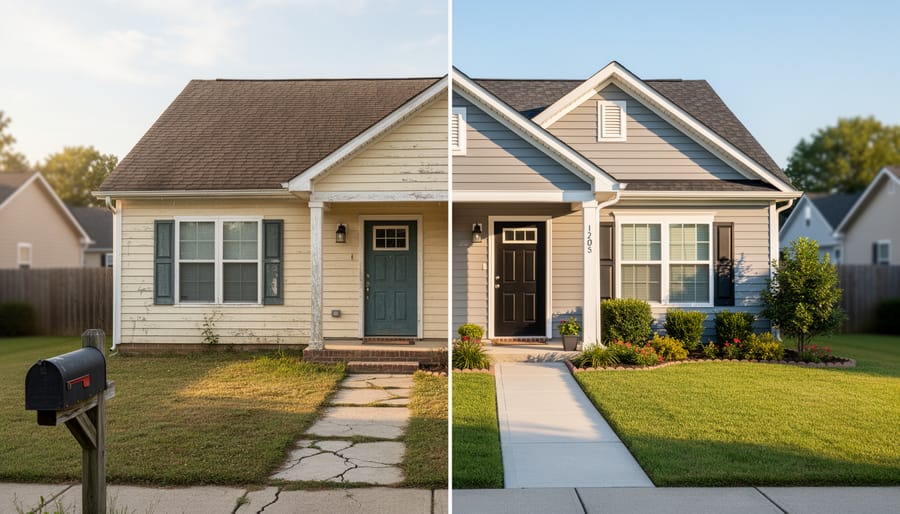
Should You Sell Your House As-Is or Spend Money on Repairs First?
Calculate your home’s repair costs against current market value before making any decisions. Request quotes from at least three contractors for needed repairs, then compare this total to the potential sale price increase. If repairs cost more than 70% of the added value they’d bring, sell house as-is UK becomes your more profitable option.
Assess your timeline and financial position realistically. Renovations typically take 2-6 months and require upfront capital you may not recoup. If you need to sell within 90 days or lack funds for improvements, selling as-is eliminates stress and uncertainty whilst still achieving a sale.
Identify your property’s actual condition versus perceived flaws. Cosmetic issues like outdated kitchens or worn carpets rarely justify major investments when selling, as buyers often renovate to personal taste anyway. Focus repairs only on structural problems, roof damage, or safety hazards that significantly impact property value or saleability.
Consider your buyer pool strategically. Move-in ready homes attract traditional buyers willing to pay premium prices, whilst as-is properties appeal to investors and cash buyers who close faster with fewer contingencies. Your choice depends on whether you prioritise maximum profit or speed and convenience.
Evaluate local market conditions and comparable sales. In hot markets, even dated properties sell quickly, making expensive upgrades unnecessary. In slower markets, strategic repairs might differentiate your listing, but only if they align with neighbourhood standards and buyer expectations for your price range.
What Does Selling a House ‘As-Is’ Really Mean?
When you sell a house “as-is,” you’re essentially telling buyers that you’re offering the property in its current condition without making any repairs or improvements before closing. Think of it as a “what you see is what you get” arrangement. The buyer accepts the home with all its existing issues, whether that’s outdated appliances, cosmetic wear and tear, or more significant structural concerns.
However, selling as-is doesn’t mean you can simply walk away without any responsibilities. This is where many homeowners get confused. You’re still legally required to disclose known defects and problems with the property. If you’re aware that the roof leaks, the foundation has cracks, or there’s mold in the basement, you must inform potential buyers through your disclosure statement. Failing to disclose known issues can lead to legal trouble down the road, even after the sale closes.
The key distinction is that while you must be honest about problems, you’re not obligated to fix them. Buyers purchase the home understanding they’ll need to handle repairs themselves, which typically means they’ll negotiate a lower purchase price to account for needed work.
Another common misconception is that as-is sales only attract lowball offers or problem properties. In reality, many homeowners choose this route for perfectly legitimate reasons like relocating quickly for work, settling an estate, or simply lacking the time and resources for renovations.
It’s worth noting that as-is clauses don’t shield you from everything. You still need to comply with local building codes for the sale, and buyers can still request inspections. They might even walk away if inspection results reveal more than they’re willing to take on. The difference is you’re under no obligation to address their findings or renegotiate based on repair requests.
When Selling As-Is Makes Perfect Sense
You Need to Sell Quickly
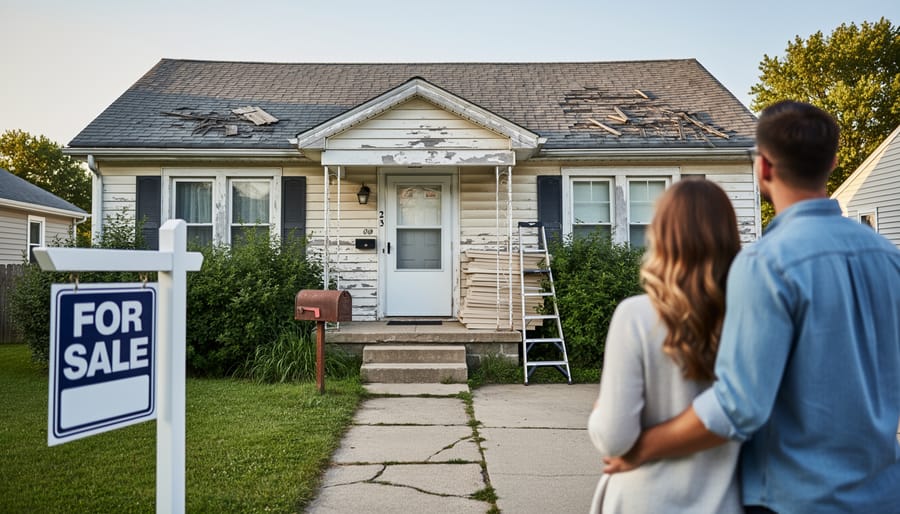
Sometimes life doesn’t give you the luxury of waiting for the perfect buyer or spending months on renovations. If you’re facing a job relocation across the country, you might have just weeks to close on your home before starting your new position. In these time-sensitive situations, selling as-is often makes the most practical sense.
Financial pressures can also create urgency. Whether you’re selling during financial hardship or need to access equity quickly, repairs can drain both your budget and precious time. The upfront costs of renovations may not be feasible when you’re already stretched thin.
Selling inherited properties presents another common scenario where speed matters. You might live out of state, lack emotional attachment to the property, or simply want to avoid the hassle of managing repairs from afar. In these cases, accepting a slightly lower sale price in exchange for a quick, straightforward transaction can provide tremendous peace of mind and allow you to move forward with your life without prolonged stress or financial commitment.
The Repair Costs Exceed Your Budget
Sometimes the math simply doesn’t add up. When you’re facing repair estimates that equal 20-30% or more of your home’s after-repair value, selling as-is often makes better financial sense. Major issues like foundation cracks, extensive structural damage, or a roof nearing the end of its lifespan can quickly drain your budget without guaranteeing a dollar-for-dollar return.
Consider this example: if your home needs $50,000 in foundation repairs but would only increase in value by $30,000, you’re losing $20,000 before even accounting for the time and stress involved. Similarly, outdated electrical systems, old HVAC units, or plumbing that needs complete replacement can cost tens of thousands with minimal impact on sale price.
Here’s a helpful rule of thumb: calculate your estimated repair costs, then research comparable homes in your area to see the realistic price increase you’d achieve. If repairs exceed 70-80% of the potential value gain, you’re better off selling as-is to cash buyers or investors who specialize in renovation projects. They have the resources and expertise to handle major repairs cost-effectively, something most homeowners can’t replicate.
You’re Targeting Cash Buyers or Investors
If you’re looking to sell quickly and your property needs work, cash buyers and real estate investors might be your ideal audience. These buyers actively seek as-is properties because they have the resources, experience, and business model to handle repairs themselves.
Real estate investors view fixer-uppers as opportunities rather than problems. They typically have established relationships with contractors, access to wholesale materials, and the expertise to renovate efficiently at lower costs than average homeowners. What might seem like a daunting renovation project to you could be a routine flip for them.
Cash buyers, whether investors or individuals with liquid assets, offer distinct advantages. They don’t need mortgage approvals, which eliminates financing contingencies that cause deals to fall through. This means faster closings—often in as little as seven to fourteen days—and fewer complications during the transaction process.
These buyers also expect as-is properties to be priced accordingly. They’re not looking for move-in ready homes, so they won’t be turned off by outdated kitchens, worn carpets, or cosmetic issues. Instead, they’re calculating potential profit margins and evaluating the property’s bones and location.
If your timeline is tight, you’re dealing with inherited property, or you simply don’t want the hassle of coordinating repairs, marketing to cash buyers and investors can be your most straightforward path. They’ll handle the heavy lifting after closing, allowing you to move forward without the stress of managing renovation projects.
When Making Repairs Before Selling Pays Off
High-Impact, Low-Cost Repairs
If you’re leaning toward making some improvements before selling, focusing on high-impact, low-cost repairs can deliver impressive returns without draining your budget. These strategic updates help your home make a strong first impression and appeal to more buyers—all while keeping your investment minimal.
Start with fresh paint. A neutral, modern color palette throughout your home instantly brightens spaces and makes rooms feel cleaner and larger. Interior painting typically costs between $1-3 per square foot and can yield returns of up to 107% in perceived value. Focus on high-traffic areas like living rooms, kitchens, and entryways where buyers form their initial impressions.
Curb appeal improvements are equally important since buyers often decide within seconds of arriving whether they’re interested. Simple fixes like trimming overgrown bushes, adding fresh mulch, planting colorful flowers, and power washing the exterior, walkways, and driveway can dramatically transform your home’s appearance. A new mailbox, updated house numbers, and a fresh front door paint job cost under $300 combined but create an inviting entrance.
Inside, address minor cosmetic issues that buyers notice immediately. Replace outdated light fixtures with modern alternatives, update cabinet hardware in kitchens and bathrooms, fix leaky faucets, patch wall holes, and deep clean carpets or refinish hardwood floors. These budget-friendly staging tips help buyers envision themselves living in your space without breaking the bank.
Your Market Favors Move-In Ready Homes
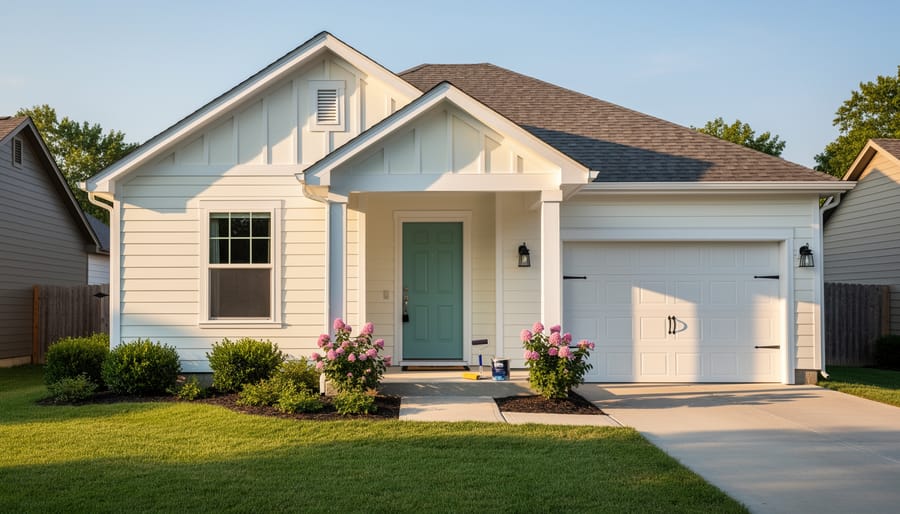
In certain markets, particularly those with high buyer demand and limited inventory, move-in ready homes command premium prices and sell remarkably faster. When traditional buyers are competing for properties, they’re often looking for homes they can occupy immediately without the hassle of coordinating contractors or living through renovations.
Competitive markets typically attract buyers who’ve been pre-approved for mortgages and are ready to move quickly on the right property. These buyers are willing to pay more for homes that won’t require additional investment or cause delays in their moving timeline. If your local market shows low inventory, multiple offers on listings, and homes selling at or above asking price, you’re likely in an environment that rewards repairs.
Making strategic updates in these conditions can trigger bidding wars and push your final sale price well beyond your investment in improvements. Even modest upgrades like fresh paint, updated fixtures, and addressing obvious maintenance issues can make your home stand out among limited options. Real estate agents in hot markets will tell you that well-maintained properties often receive offers within days, sometimes with buyers waiving inspection contingencies.
Before committing to repairs, check recent comparable sales in your neighborhood and consult with a local agent about current buyer expectations. If homes are moving fast and selling above list price, investing in improvements could deliver substantial returns.
The Repair Will Eliminate Deal-Breakers
Some repairs aren’t optional if you want your sale to succeed. Certain issues can cause deals to fall apart during the inspection period or prevent buyers from securing financing altogether. Lenders typically won’t approve mortgages for homes with serious safety hazards or code violations, making these deal-breakers you’ll need to address regardless of your selling strategy.
Critical fixes that prevent failed transactions include electrical hazards like outdated wiring or overloaded panels, structural problems such as foundation cracks or roof damage, and plumbing issues like sewer line failures. Homes with missing smoke detectors, exposed asbestos, or failing HVAC systems often can’t pass inspections required by mortgage companies.
If an inspector flags these items, buyers will either walk away or demand repairs before closing. Even cash buyers may request significant price reductions to cover these costs themselves. The good news? Addressing these deal-breakers upfront prevents last-minute surprises and keeps your transaction on track. You’ll gain negotiating power and attract more qualified buyers who can actually close.
Consider getting a pre-listing inspection to identify potential deal-breakers early. This allows you to make informed decisions about which repairs truly matter for your sale’s success, rather than discovering problems when you’re already under contract and facing time pressure.

Calculating the Real Cost of Each Option
Estimating Repair Costs Accurately
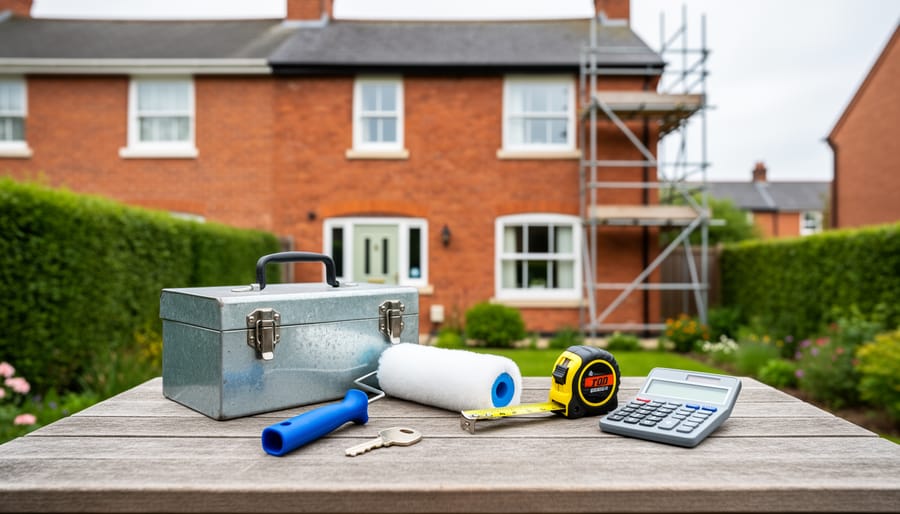
Getting accurate repair estimates is crucial for making an informed decision about selling as-is or fixing up your property. Start by requesting quotes from at least three licensed contractors for each major project. This gives you a realistic price range and helps you spot unusually high or low bids that might indicate problems.
When meeting with contractors, be specific about the work needed and ask for itemized quotes that break down materials and labor costs. Don’t forget to factor in permit fees, which can add 10-20% to your total expenses. It’s also wise to build in a 15-20% cushion for unexpected issues that often arise during renovations, especially in older homes.
Prioritize repairs strategically by focusing first on health and safety concerns like electrical issues, roof leaks, or structural problems. These address inspection red flags and protect your liability. Next, tackle cosmetic improvements that deliver strong returns, such as fresh paint or updated fixtures. Keep detailed records of all quotes and timelines, as this information helps you compare the total investment against your potential selling price increase and determine which path makes the most financial sense for your situation.
Understanding the As-Is Price Discount
When you sell your home as-is, you’re essentially asking buyers to accept the property in its current condition, which typically means accepting a lower price. Industry data shows that as-is homes generally sell for 10-30% below comparable market-ready properties, though this range can vary significantly based on your specific circumstances.
The actual discount depends on several factors. Minor cosmetic issues might only warrant a 5-10% reduction, while homes needing major repairs like roof replacement, foundation work, or complete system overhauls could see discounts of 25-35% or more. Location matters too—in hot markets with low inventory, you might negotiate a smaller discount than in buyer-friendly markets.
To estimate your situation, start by getting a comparative market analysis from a real estate agent to determine what similar homes in move-in condition are selling for. Then, obtain repair estimates from licensed contractors for needed work. Add a 10-20% buffer to account for unexpected issues buyers might discover during inspection. This total repair cost, plus the inconvenience factor for buyers, generally represents your expected price reduction.
Remember, while the discount might seem steep, you’re also saving time, money on repairs, and avoiding the stress of renovation projects. Many homeowners find this trade-off worthwhile for a faster, simpler sale.
Factoring in Time and Stress
Beyond the dollars and cents, you’ll want to consider what managing repairs actually means for your daily life. Holding a property while making repairs means continuing to pay the mortgage, property taxes, insurance, and utilities—carrying costs that can add up quickly over weeks or months.
Then there’s the reality of contractor management. Coordinating multiple trades, obtaining permits, scheduling inspections, and ensuring quality work requires significant time and energy. If you’re juggling a full-time job, managing another property, or dealing with personal circumstances like relocation or family matters, this can become overwhelming fast.
Your emotional bandwidth matters too. Some homeowners find the repair process empowering and even enjoy seeing their home transformed. Others—especially those dealing with inherited properties, divorce, or financial stress—may find that the constant decision-making and problem-solving depletes their mental energy.
Be honest about your capacity. If you’re already stretched thin or facing tight timelines, selling as-is might preserve your peace of mind and allow you to move forward more quickly, even if it means accepting a somewhat lower sale price.
The Middle Ground: Strategic Improvements
You don’t have to choose between a complete renovation and selling your home exactly as it stands. There’s a smart middle path that focuses on strategic, cost-effective improvements delivering the biggest impact for your investment.
Think of this approach as giving your home a polished presentation without breaking the bank. The goal is addressing obvious detractors while keeping your budget and timeline reasonable. This strategy works particularly well if your home’s structure and major systems are solid, but the cosmetic appeal needs a boost.
Start with deep cleaning and decluttering. A spotless home photographs better, shows better, and signals to buyers that the property has been well-maintained. Consider professional staging cleaning services to achieve that market-ready shine that makes a memorable first impression.
Next, tackle quick cosmetic fixes that buyers notice immediately. Fresh neutral paint can transform tired rooms for a few hundred dollars. Replace outdated light fixtures, cabinet hardware, and faucets to modernize spaces without major construction. Fix minor issues like leaky faucets, squeaky doors, or cracked tiles that might raise red flags during showings.
Focus on curb appeal because first impressions matter tremendously. Trim overgrown landscaping, power wash the exterior, add fresh mulch to flower beds, and ensure your entryway looks inviting. These improvements typically cost under a thousand dollars but can significantly boost perceived value.
Consider your local market when deciding which improvements to prioritize. In competitive markets, even modest updates can help your listing stand out and potentially spark multiple offers. In slower markets, strategic improvements might be the difference between sitting on the market and selling within a reasonable timeframe.
The beauty of this middle-ground approach is flexibility. You’re investing strategically in improvements with proven returns while avoiding expensive projects that might not recoup their costs. Most homeowners following this path spend between two and five thousand dollars and see substantially improved buyer interest.
How to Sell Your House As-Is Successfully
Finding the Right Buyers
If you’re leaning toward selling as-is, knowing where to find the right buyers can make all the difference in getting a fair offer quickly. Traditional buyers typically want move-in ready homes, but there’s a thriving market of investors, house flippers, and cash buyers actively searching for properties they can purchase without repairs.
Start by listing your home on platforms that cater to investors, such as Zillow’s “Make Me Move” feature or investor-focused Facebook groups in your area. These channels attract buyers who understand as-is transactions and won’t be deterred by cosmetic issues or needed updates.
Consider reaching out directly to local real estate investment companies and wholesalers who specialize in quick closings. Many actively mail postcards or advertise online, making them easy to identify. You can also work with a real estate agent experienced in investor sales—they often have established networks and can market your property effectively to the right audience.
Don’t overlook online home buying companies that provide instant offers. While their offers might be lower than market value, they eliminate showings, negotiations, and lengthy closing processes. The key is obtaining multiple offers from different buyer types to ensure you’re getting competitive terms that align with your timeline and financial goals.
Pricing Your As-Is Home Competitively
Setting the right price for your as-is home is crucial to attracting serious buyers while maximizing your return. Start by partnering with a local real estate agent who has experience selling properties in current condition. They’ll provide a comparative market analysis showing what similar as-is homes have sold for in your neighborhood, giving you a realistic baseline.
Consider hiring a professional appraiser for an objective valuation. They’ll assess your home’s condition and factor in needed repairs when determining market value. This investment typically costs a few hundred dollars but can prevent costly pricing mistakes.
Your pricing strategy should account for the discount buyers expect when purchasing as-is properties, usually ranging from 10-20% below market value for move-in ready homes. However, don’t undervalue your property. Even without major updates, factors like location, lot size, and structural soundness add value.
If your home has good bones and just needs cosmetic work, simple improvements like staging on a budget can justify a higher asking price. Your agent can advise whether minor touch-ups might bridge the gap between as-is pricing and traditional market rates, helping you make an informed decision about your final listing price.
Being Transparent About Property Condition
Whether you’re selling as-is or after making repairs, transparency about your property’s condition isn’t just good ethics—it’s a legal requirement. Even when marketing your home as-is, you’re still obligated to disclose known defects like foundation issues, roof damage, or plumbing problems. Hiding these issues won’t protect you from future liability and can derail deals at the last minute when inspections reveal undisclosed problems.
Being upfront actually works in your favor. Buyers appreciate honesty and are more likely to move forward when they understand exactly what they’re getting. If you’re selling as-is, clear disclosures help set realistic expectations and attract buyers who are prepared for the property’s condition. This transparency reduces the likelihood of renegotiations or buyers walking away after their inspection. Remember, as-is means the price reflects the condition—not that you can skip disclosure requirements. Building trust through honest communication creates smoother transactions and protects you from potential legal headaches down the road.
Questions to Ask Yourself Before Deciding
Before you commit to either path, take a moment to honestly evaluate your unique situation. These questions will help clarify which direction makes the most sense for you.
First, consider your timeline. Do you need to sell quickly due to relocation, financial hardship, or another time-sensitive reason? If you’re facing foreclosure, dealing with an inherited property you can’t maintain, or simply need to move within the next month or two, selling as-is typically offers a faster solution. Repairs can easily stretch your timeline by several months when you factor in contractor schedules, inspections, and potential setbacks.
Next, examine your financial position carefully. Do you have readily available funds to cover repair costs upfront? Can you afford to wait several months for those repairs to potentially translate into higher sale proceeds? Remember that renovation costs often exceed initial estimates, so you’ll want a comfortable financial cushion. If accessing capital feels challenging or stressful, that’s a strong indicator that as-is might be your better option.
Take an objective look at your property’s condition. Are we talking about cosmetic updates like fresh paint and new fixtures, or do you face structural issues, foundation problems, or outdated systems? Major repairs require substantial investment and don’t always deliver proportional returns. Minor cosmetic improvements, however, can significantly boost buyer appeal without breaking the bank.
Understanding your local market dynamics is equally important. Is your area experiencing high demand where homes sell quickly regardless of condition? Are comparable properties in similar condition selling successfully? In hot markets, buyers may be more willing to purchase as-is and handle renovations themselves.
Finally, reflect on your personal goals and stress tolerance. Are you emotionally prepared to manage contractors, make design decisions, and oversee a renovation project? Some homeowners find the process rewarding, while others prefer a straightforward, hassle-free sale. Your peace of mind matters just as much as the financial considerations, so choose the path that aligns with both your wallet and your wellbeing.
There’s no universal answer to whether you should sell your house as-is or invest in repairs. Your decision depends on your timeline, budget, local market conditions, and personal circumstances. The best choice for your neighbor might not be the right one for you, and that’s perfectly okay.
Take time to honestly assess your situation using the factors we’ve discussed. Calculate potential returns on repairs, consider your emotional bandwidth, and evaluate your financial flexibility. If you’re uncertain about property values or repair costs, getting professional input can help you avoid costly mistakes.
This is where having trusted resources makes all the difference. Your Home Tour offers free consultations to help homeowners like you navigate these decisions with confidence. Our team can walk through your property, discuss your goals, and provide personalized guidance based on your unique situation. We also offer cash-buying services if selling as-is aligns better with your needs, giving you a straightforward path forward without the stress of repairs or lengthy market listings.
Remember, both selling as-is and making strategic repairs can lead to successful outcomes. What matters most is choosing the path that fits your circumstances and goals. Whether you decide to invest in improvements or sell your home in its current condition, approaching the decision thoughtfully puts you in control of your selling experience. Trust yourself to make the choice that works best for you.