
Toronto Property Investors Weigh Buying Operating Business Premises: What You Need to Know
Buying a commercial property with an existing operating business represents a dual investment that can generate both rental income and business profits, but success hinges on understanding how to evaluate the real estate asset separately from the business performance. Toronto property investors exploring this strategy need to assess two distinct value propositions: the building’s fundamentals (location, condition, tenant potential) and the business operations (cash flow, market position, transferability). This approach differs sharply from standard commercial real estate investing because you’re not just acquiring a tenant; you’re taking ownership of their enterprise, which introduces operational risk, industry-specific expertise requirements, and complex due diligence obligations.
The Toronto market presents unique considerations for these transactions. High property values mean the building alone often represents a seven-figure commitment before factoring in business value. Zoning restrictions, particularly in growing neighborhoods, can make operating premises more valuable than vacant commercial space. The strength of Toronto’s diverse economy means you’ll find opportunities across restaurant properties, medical clinics, auto service centers, retail locations, and manufacturing facilities, each carrying different risk profiles and management demands.
Smart investors treat this as two parallel acquisitions. You need to verify the property’s structural integrity, assess its value independent of the current business, and confirm the business financials through proper accounting review. Getting one side right while misjudging the other creates expensive problems. Many buyers underestimate the business expertise required or overestimate their ability to replace revenue if operations falter.
Whether you’re considering a turnkey operation or planning significant changes, the decision framework remains consistent: understand both assets thoroughly, secure appropriate financing that accounts for business transition risk, and build contingency plans for operational challenges. BizListings showcases the range of operating business properties available across Toronto, though proper evaluation goes far beyond listing details.
Key Factors to Evaluate When Buying Business-Operated Properties
Business Financial Health and Operational History
When you’re evaluating an operating business tied to a property, the financial statements tell only part of the story. Start by requesting at least three years of tax returns, profit-and-loss statements, and balance sheets. These documents reveal revenue trends, seasonal fluctuations, and whether the business is growing, stable, or declining. Pay close attention to profit margins, gross profit shows how efficiently the business operates, while net profit indicates what actually reaches the bottom line after all expenses.
Dig deeper into revenue sources. A restaurant heavily dependent on lunch traffic from a single nearby office building carries different risk than one with diversified daypart sales. Ask for customer concentration data: if more than 20% of revenue comes from one or two clients, you’re exposed if they leave. Request sales records by month and year to spot patterns and verify the owner’s claims about busy seasons.
The operational track record matters because it directly affects your property’s value. A thriving business with loyal customers and stable cash flow makes the real estate more valuable, you’re buying an income-producing asset with proven demand. Conversely, a struggling operation may force you to find a new tenant or run the business yourself, both expensive propositions. Examine turnover rates for both customers and employees; high churn suggests underlying problems that won’t disappear when you take ownership.
Don’t skip the operational metrics: inventory turnover, accounts receivable aging, supplier payment terms. These reveal whether the business operates smoothly or constantly fights cash flow problems.
Property Condition and Future Capital Requirements
A commercial property inspection reveals far more than surface-level aesthetics. You need a detailed assessment of structural integrity, HVAC systems, electrical panels, plumbing, roofing condition, and any code violations that could trigger mandatory upgrades. Unlike residential purchases, commercial buildings often carry deferred maintenance that previous business owners postponed to preserve cash flow.
Request maintenance records for the past five years and ask about pending capital projects. A 20-year-old HVAC system might run today but will likely need $40,000 in replacements within two years. That directly cuts into your cash flow projections and affects whether you should negotiate repairs vs. as-is purchase terms.
Calculate future capital requirements separately from your acquisition costs. Set aside reserves for major systems replacement, accessibility upgrades to meet Ontario Building Code requirements, and potential tenant improvement allowances if the business changes or expands. These aren’t optional expenses, they’re inevitable costs that many investors underestimate.
Your renovations ROI calculations should account for both immediate repairs and scheduled replacements over your hold period. A property requiring $100,000 in near-term capital work needs significantly higher cash reserves or a lower purchase price. Smart investors keep renovation costs low by timing upgrades strategically and negotiating vendor contracts before closing, not after you own the problem.

Legal and Zoning Considerations in Toronto
Toronto’s regulatory landscape adds layers of complexity that most investors don’t encounter with standard commercial real estate. Start by confirming the property’s zoning designation under Zoning By-law 569-2013 which governs permitted uses throughout the city. A building zoned for retail can’t suddenly become a restaurant without proper approvals, and violations can trigger costly compliance orders or force you to shut down operations entirely.
Business licensing represents a separate regulatory hurdle. The City of Toronto requires specific Licences and permits required for most commercial operations, from food service establishments to body rub parlours. These licenses attach to both the business and the premises, meaning you’ll need to verify all existing permits are transferable and in good standing before closing. Missing or expired licenses can delay your ability to generate income immediately after purchase.
Pay close attention to Toronto’s Site Plan Control policies if you’re planning any modifications. Even minor exterior changes like signage, patio additions, or parking reconfigurations often require municipal approval. Heritage property designations add another restriction layer that can significantly limit your renovation options and increase compliance costs. Work with a Toronto real estate lawyer who specializes in commercial transactions to navigate these overlapping requirements and identify potential red flags before you commit to the purchase.
Types of Operating Business Properties Compared

Different business property types present vastly different investment profiles, even within Toronto’s commercial market. Your strategy and resources should drive which category you pursue, because a thriving restaurant in Liberty Village demands entirely different skills and capital than a professional office in North York.
Restaurants and food service properties sit at the high-risk, high-reward end of the spectrum. These businesses generate strong cash flow when successful, but they’re notoriously sensitive to economic downturns, shifting consumer tastes, and management quality. You’re buying into an industry where 60% of establishments fail within three years. The property itself often requires specialized equipment, grease traps, ventilation systems, and health code compliance, all of which add maintenance costs. Food service properties in Queen West or the Distillery District can command premium rents, but tenant turnover is frequent. If you’re considering this category, look for established concepts with multi-year track records and owner-operators willing to stay on during transition.
Retail storefronts offer more stability but face ongoing pressure from e-commerce. Success depends heavily on location and the business model. A neighbourhood bakery or specialty shop serving local clientele carries less risk than a clothing retailer competing with online alternatives. Yonge Street and Bloor West Village storefronts benefit from consistent foot traffic, while suburban strip mall locations require careful tenant selection. Retail properties typically need less specialized infrastructure than restaurants but demand constant attention to curb appeal and visibility.
| Property Type | Typical Investment Range | Management Intensity | Risk Level | Average Return Potential |
|---|---|---|---|---|
| Restaurants & Food Service | $800K, $3M | High | High | 12-18% ROI |
| Retail Storefronts | $600K, $2.5M | Moderate | Moderate-High | 8-14% ROI |
| Professional Offices | $900K, $4M | Low-Moderate | Low-Moderate | 7-12% ROI |
| Light Industrial | $1.2M, $5M | Low | Low | 8-13% ROI |
| Hospitality Properties | $1.5M, $6M+ | Very High | High | 10-20% ROI |
Professional offices, medical clinics, dental practices, accounting firms, represent the lowest-stress investment in this category. These businesses rarely fail suddenly, and professionals tend to stay in established locations for years. A dental clinic in Rosedale or a physiotherapy practice in Leslieville provides predictable income with minimal day-to-day involvement. The property requirements are straightforward: proper accessibility, parking, professional finishes. The trade-off is more modest returns and higher acquisition costs relative to cash flow.
Light industrial facilities housing service businesses like auto repair shops, wholesalers, or small manufacturing operations offer a middle ground. These properties in areas like Etobicoke or Scarborough generate steady income with minimal landlord involvement once established. The businesses tend to be recession-resistant and location-flexible. Building maintenance is simpler than food service but may include loading docks, three-phase power, or specialized zoning. Tenant relationships often extend for decades.
Hospitality properties, small hotels, bed and breakfasts, boutique inns, demand the most hands-on management but can deliver exceptional returns in Toronto’s robust tourism market. Properties near the waterfront or downtown core benefit from year-round demand, but you’re essentially running a hospitality business, not just collecting rent. Staff management, guest services, online reputation, and seasonal fluctuations all become your concern. This category works best for investors who want active involvement or have hospitality experience.

Due Diligence: What to Investigate Before You Buy
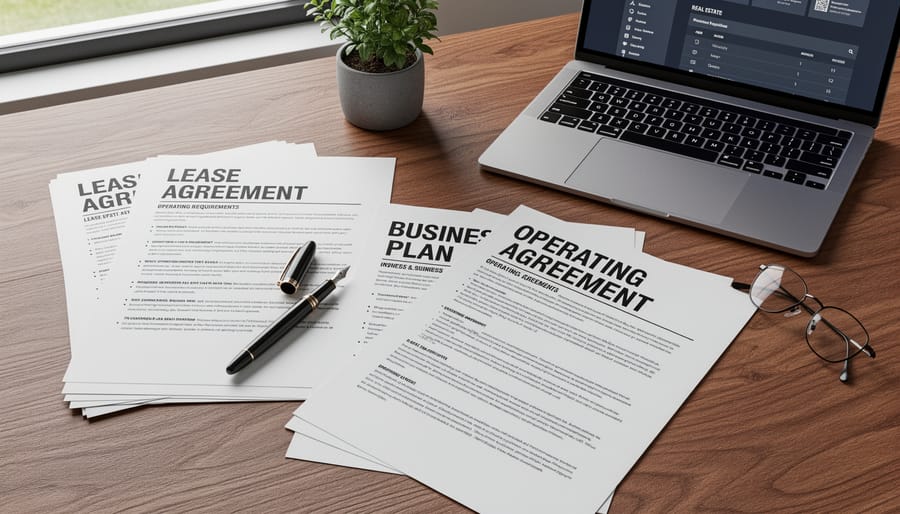
Buying an operating business with its property demands two parallel investigations running simultaneously. You need to verify every claim about the building while also validating what the seller tells you about revenue, customers, and operations.
Start with the financial audit of the business. Request three years of tax returns, profit and loss statements, and bank statements, not just the summary the seller’s broker prepared. Compare declared income against actual deposits. Look for seasonal patterns, declining trends, or sudden spikes that might indicate one-time events rather than sustainable revenue. Ask why certain months performed poorly. Verify that reported sales match inventory purchases and supplier invoices.
The property inspection requires commercial specialists, not residential home inspectors. Bring in engineers who understand the specific demands your business type places on the building. A restaurant’s grease traps, ventilation systems, and kitchen plumbing face scrutiny that an office building doesn’t. Industrial properties need structural assessments for equipment loads and environmental testing for contaminants. Don’t accept the seller’s recent inspection report, commission your own.
Review every contract the business holds. Customer agreements might contain change-of-ownership clauses that let them walk away when you take over. Supplier contracts could have minimum purchase requirements you can’t meet or pricing that evaporates once the original owner leaves. Franchise agreements often require franchisor approval for new owners and may demand facility upgrades as a condition of transfer.
Employee obligations extend beyond current payroll. Check for accumulated vacation pay, severance requirements under Ontario employment law, union agreements, and any verbal promises the seller made about bonuses or future raises. Understand which employees are essential to operations and which might leave during ownership transition.
Essential items for your due diligence checklist:
- Three years of business tax returns, financial statements, and daily sales records
- Current property survey, title search, and zoning compliance certificate
- Professional building inspection covering structure, mechanical systems, and code compliance
- Environmental site assessment (Phase I minimum, Phase II if concerns arise)
- All lease agreements, including equipment leases and parking arrangements
- Customer contracts and supplier agreements with termination clauses highlighted
- Employee list showing tenure, compensation, roles, and any employment agreements
- Insurance claims history for both property and business liability
- Municipal licensing, health permits, and regulatory inspection records
- Outstanding liens, mortgages, judgments, or legal disputes affecting property or business
Verify the property’s zoning allows your intended use. Toronto’s zoning bylaws change, and grandfathered uses sometimes don’t transfer to new owners. Confirm parking requirements, signage restrictions, and hours of operation permitted at the location.
Talk to neighboring business owners and the landlord of adjacent properties. They’ll tell you about noise complaints, parking disputes, delivery access problems, or neighborhood issues that won’t appear in official records. Drive by the property at different times, morning rush, lunch hour, evening, weekend, to gauge actual customer traffic versus what the seller claims.
Request the seller’s marketing materials, website analytics, and social media accounts. Customer reviews on Google and Yelp reveal service problems and reputation issues that financial statements hide. A business with stellar numbers but one-star reviews faces a reckoning you’ll inherit.
Financing Strategies and Investment Structures
Securing funding for a property with an active business requires a different approach than traditional commercial real estate financing. Most conventional lenders view these deals as higher risk because they’re evaluating two assets simultaneously, the real estate itself and the operating business that generates cash flow. This dual nature means you’ll need to prepare for more extensive documentation, stricter qualification criteria, and potentially higher down payment requirements than you’d face buying vacant commercial property.
Traditional commercial mortgages typically focus on property value and rental income potential. When a business occupies the premises, lenders scrutinize the business’s financial statements, tax returns from the past three years, customer concentration, and operational stability. Toronto banks and credit unions generally want to see consistent profitability, strong management systems, and cash flow that comfortably covers both debt service and operating expenses. Expect down payments ranging from 25% to 35% of the total purchase price, compared to 20% for standard commercial properties.
Business acquisition loans represent another financing avenue. These loans specifically address the business component while keeping real estate financing separate. You might secure a commercial mortgage for the property value and a business term loan for inventory, equipment, goodwill, and working capital. This split structure can offer advantages: different interest rates reflecting each asset’s risk profile, separate amortization periods matching each asset’s useful life, and clearer tax deductions. The challenge lies in coordinating multiple lenders and managing two distinct payment obligations.
Seller financing deserves serious consideration in these deals. Many business owners selling their property and operations are willing to carry part of the purchase price, particularly if they’ve owned the asset for years and want to spread capital gains. A typical arrangement might involve 60-70% bank financing, with the seller holding a second mortgage or vendor take-back loan for the remainder. This structure reduces your upfront capital requirement and demonstrates the seller’s confidence in the business’s viability. Negotiate reasonable terms, interest rates slightly above prime, three to five year terms, and monthly payments structured around projected cash flow.
Partnership structures can spread both financial burden and operational responsibility. Real estate investment partnerships for business-operated properties often divide roles clearly: one partner handles property ownership and building maintenance while another manages business operations. Joint ventures, limited partnerships, and co-ownership agreements each carry different tax implications and liability exposure. Toronto investors frequently form holding companies to own the real estate, then lease to an operating company that runs the business, a structure that protects the property asset if business operations falter and simplifies eventual exit strategies.
Recommendations for Toronto Property Investors
This investment strategy makes the most sense when you have the time and expertise to evaluate a business or can partner with someone who does. If you’re comparing this approach to simpler options like investing vs. condo purchases, understand that business-operated properties demand substantially more active involvement during acquisition and potentially throughout ownership.
For hands-off investors seeking primarily passive income, stick with properties where the business operates under a long-term triple-net lease with an established, creditworthy tenant. Professional offices with medical or legal tenants, franchise restaurants with corporate guarantees, and well-located retail spaces leased to national chains offer the real estate appreciation potential while minimizing business risk exposure.
Active investors comfortable with business operations should target properties where you can add immediate value through operational improvements. Coffee shops and quick-service restaurants in high-traffic areas like Liberty Village or the Annex often sell below replacement cost when the current owner lacks marketing expertise or modern systems. You’re buying real estate at a discount while gaining a proven location and existing customer base.
The Beaches, Leslieville, and Roncesvalles neighborhoods present strong opportunities for retail-food hybrids where the business and property appreciate together as the area gentrifies. These districts reward investors who understand local demographics and can tailor the business model to neighborhood preferences while benefiting from steady property value growth.
Industrial properties in areas like Scarborough or North York work well for investors with manufacturing or distribution knowledge. You can often negotiate favorable seller financing since owners retiring from these businesses prioritize smooth transitions over maximum sale prices.
Balance passive income goals with management involvement by establishing clear boundaries from day one. Hire a competent general manager for daily operations if you’re primarily a real estate investor, but maintain oversight of major decisions, vendor contracts, and financial controls. Budget for professional management costs upfront rather than discovering you need help after closing.
Partner strategically when your expertise lies purely in real estate. A profit-sharing arrangement with an experienced operator protects your property investment while giving them equity incentive to grow the business component.
Common Mistakes to Avoid
Even experienced property investors stumble when they venture into business-operated premises for the first time. The complexity of evaluating two intertwined assets, real estate and an active business, creates unique pitfalls that can turn a promising opportunity into a financial headache.
Overvaluing the Business Component
The most common error is treating optimistic revenue projections as guaranteed returns. One Toronto investor purchased a Queen West café at a premium based on the seller’s promise of “untapped potential” and projected growth, only to discover that the existing customer base was largely tied to the previous owner’s personal relationships. Within six months, revenue dropped 40%. Always base your valuation on documented historical performance, not future promises. Verify revenue claims through tax returns, bank statements, and point-of-sale data spanning at least three years.
Underestimating Transition Risks
Business transitions are fragile periods. Customers, employees, and suppliers may not transfer smoothly to new ownership. A Leslieville restaurant investor learned this the hard way when three key kitchen staff departed immediately after closing, forcing him to shut down for two weeks to hire and train replacements. The revenue loss and emergency recruiting costs weren’t budgeted. Build transition planning into your purchase agreement, including seller training periods, employee retention bonuses, and gradual ownership transfer announcements to customers.
Here are the most costly mistakes investors make when buying operating business properties:
- Skipping comprehensive property condition assessments and relying solely on business financials
- Failing to verify all licenses, permits, and regulatory compliance before closing
- Neglecting to interview existing employees about operational challenges and customer patterns
- Accepting financial statements without independent accountant verification
- Overlooking lease agreements with suppliers or equipment that carry unfavorable terms
- Assuming you can manage the business remotely without understanding daily operational demands
Inadequate Insurance Coverage
Standard commercial property insurance doesn’t cover business interruption, liability for customer injuries, employee accidents, or product liability. If you’re buying a property built before 1980, you’ll need specialized insurance for older properties that addresses heritage building risks. One investor discovered his Bloor Street retail property wasn’t covered for business income loss when a water main break forced a three-week closure.
Ignoring Capital Reserve Requirements
Property maintenance doesn’t pause because you’re managing business operations. Budget separately for building capital expenses, roof replacement, HVAC systems, facade repairs, beyond business operating costs. A King East property investor faced simultaneous roof repairs and kitchen equipment replacement, draining cash reserves and forcing him to defer needed marketing spend for the business itself.
Frequently Asked Questions
Buying a business alongside its property raises questions that rarely come up in standard real estate deals. Here are answers to the most common concerns Toronto investors have about this dual-asset strategy.
What are the tax implications of buying property with an operating business?
You’ll face different tax treatments for the real estate component versus the business assets, and both capital gains and business income rules apply. The structure you choose (buying shares versus assets) significantly affects your tax position, making tax planning for sales and acquisitions essential before you close.
How much down payment do I need?
Lenders typically require 25 to 35 percent down for commercial property with an operating business, higher than standard commercial mortgages because of the added business risk. Strong business financials and your experience can sometimes lower this threshold.
Am I responsible for existing employees if I buy the business?
Yes, in most asset purchases you inherit employment obligations including wages, benefits, and sometimes accrued vacation time. Review all employment contracts during due diligence and budget for potential severance costs if you plan staffing changes.
What happens to my investment if the business fails?
You still own the property and can lease it to a new tenant or operator, though vacancy periods and transition costs will hurt your returns. This safety net is why investors favor properties with strong standalone real estate value in desirable Toronto locations.
Beyond these fundamentals, exit strategy planning deserves early attention. Will you sell the property and business together, split them, or hold the real estate while selling just the business operations? Each path carries different timelines, buyer pools, and valuation methods. Properties in high-demand areas give you more flexibility because you can pivot to traditional leasing if a combined sale proves difficult.
The complexity of these deals means working with professionals who understand both commercial real estate and business transactions. An experienced commercial broker, business valuator, and tax advisor familiar with Toronto’s market will save you from costly mistakes and help structure the deal for your specific investment goals.
Buying an operating business with its premises represents a sophisticated investment opportunity that demands careful evaluation of both real estate fundamentals and business viability. Success hinges on thorough due diligence across financial performance, property condition, legal compliance, and operational sustainability. The Toronto market offers diverse opportunities, but each property-business combination carries unique risks and rewards that require specialized assessment.
This isn’t a transaction you should navigate alone. Engage a commercial real estate lawyer familiar with Toronto regulations, consult with an accountant who understands business valuations, and work with experienced commercial appraisers. The complexity of evaluating dual assets justifies the professional fees many times over.
Your Home Tour provides consultation services for Toronto area property investors exploring commercial opportunities, including business-operated premises. Our team connects you with the specialists and market insights needed to make informed decisions in this nuanced investment category.
The right property-business acquisition can deliver strong returns and portfolio diversification. Take your time, ask tough questions, verify every claim, and build a support team that understands both sides of the equation. Your patience and diligence in the buying phase will determine your success for years to come.
Leave a Reply