Remove Delta-9 THC Smell Before Selling Your Home (It’s Easier Than You Think)
Neutralize Delta-9 THC products odors systematically by opening all windows and running fans for 72 hours before listing—this creates cross-ventilation that removes trapped cannabis molecules from fabrics and surfaces. Deep clean every textile in your home, including curtains, upholstery, carpets, and bedding, using enzymatic cleaners specifically designed to break down THC compounds rather than simply masking scents.
Replace HVAC filters immediately and schedule professional duct cleaning, as cannabis particles circulate through your ventilation system and redeposit throughout your home. Wipe down all hard surfaces—walls, ceilings, light fixtures, and baseboards—with a vinegar solution or TSP cleaner, paying special attention to rooms where you consumed products most frequently.
Steam clean or replace carpeting in heavy-use areas, since porous flooring materials absorb and retain odors that standard vacuuming can’t eliminate. Consider repainting walls with odor-blocking primer like Kilz or Zinsser, which seals residual smells beneath fresh paint rather than allowing them to permeate through.
Hire a professional odor remediation service if DIY methods prove insufficient—these specialists use ozone generators, thermal fogging, or hydroxyl machines that neutralize odors at the molecular level. Taking these steps protects your home’s market value, as buyers’ first impressions form within seconds of entering, and lingering cannabis odors can trigger lower offers or lost sales regardless of legality.
What Is Delta-9 THC and Why Does It Leave an Odor?
Delta-9 THC is the primary psychoactive compound found in cannabis—the component responsible for the “high” that users experience. While cannabis laws vary by location, Delta-9 THC products derived from hemp (containing less than 0.3% THC by dry weight) are legal in many areas under federal law, and several states have legalized recreational marijuana use. As social acceptance and legal access have grown, more homeowners are using these products in their homes without realizing the lasting impact on indoor air quality and surfaces.
The distinctive cannabis odor doesn’t come from Delta-9 THC itself, but rather from aromatic compounds called terpenes. These naturally occurring oils give cannabis its recognizable scent and are released when the plant material is heated through smoking or vaporizing. Common terpenes like myrcene, limonene, and pinene create that characteristic earthy, skunky, or citrusy smell that lingers long after use.
Here’s the challenge for homeowners: these odor molecules are incredibly persistent. When you smoke or vaporize cannabis indoors, microscopic particles and vapor settle onto every surface in your home. Porous materials are particularly problematic—fabrics in furniture and curtains, carpet fibers, drywall, wood, and even paint absorb these compounds like a sponge. The odor molecules penetrate deep into these materials, making surface-level cleaning ineffective.
Think of it like cooking fish in your kitchen; the smell doesn’t just disappear when you’re done. Cannabis odors work similarly but can be even more stubborn because terpenes are oily substances that bond to surfaces. This is why potential buyers often notice the smell immediately upon entering a home, even if you’ve grown accustomed to it. Understanding this science is your first step toward effective odor removal and protecting your home’s market value.
Why Delta-9 THC Odor Matters When Selling Your Home

First Impressions Count
You never get a second chance to make a first impression, and that’s especially true in real estate. When potential buyers walk through your door for the first time, they’re forming opinions within seconds—and unfortunately, their noses are working just as hard as their eyes. Even the faintest hint of Delta-9 THC odor can immediately shift a buyer’s focus away from your beautiful kitchen renovation or stunning hardwood floors.
Here’s the reality: buyers are emotionally investing in a vision of their future home during that first showing. Any lingering odor, no matter how legal or personally acceptable to you, disrupts that vision. They start wondering about what else might be hiding in the walls or carpets. Instead of imagining family dinners in your dining room, they’re calculating remediation costs and questioning the property’s upkeep.
Real estate professionals consistently report that odor issues—whether from pets, smoke, or cannabis—rank among the top deal-breakers for buyers. The good news? Unlike structural problems, odors are completely fixable with the right approach, allowing your home’s genuine selling points to shine through.
Impact on Home Value
The presence of cannabis odors in your home can significantly impact your bottom line when it’s time to sell. Real estate experts report that homes with detectable Delta-9 THC odors typically see price reductions ranging from 5% to 15% of the property’s market value. On a $400,000 home, that could mean losing $20,000 to $60,000 simply due to lingering smells.
Beyond initial pricing concerns, cannabis odors create substantial negotiation challenges. Buyers who detect these smells during showings often submit lower offers or request concessions for professional cleaning and remediation. Some buyers may walk away entirely, particularly those with sensitivities, families with children, or investors concerned about rental prospects.
The financial impact extends to your property’s time on market as well. Homes with noticeable odors tend to sit longer, which can force additional price reductions and raise red flags for potential buyers wondering why the property hasn’t sold. Mortgage lenders may also require odor remediation before approving loans, potentially derailing deals at the last minute. Taking proactive steps to eliminate Delta-9 THC odors before listing protects your investment and positions your home competitively in the market.
Assessing the Extent of Delta-9 THC Odor in Your Home
Get a Fresh Nose
Here’s an important truth about odor removal: you’re probably not the best judge of whether your home still smells like cannabis. When you’re exposed to the same scent day after day, your brain tunes it out—a phenomenon called “olfactory fatigue” or nose-blindness. You might think your home smells fresh, but potential buyers walking in for the first time will notice immediately.
This is where getting a fresh perspective becomes invaluable. Invite a trusted friend or family member who doesn’t visit your home regularly to do an honest smell test. Ask them to be completely candid—this isn’t the time for politeness. Better yet, reach out to your real estate agent before listing. Experienced agents have toured hundreds of homes and can provide an objective assessment of any lingering odors.
When asking for feedback, have your helper check high-risk areas like bedrooms, living rooms, and anywhere with upholstered furniture or curtains. Request they note even subtle hints of cannabis smell, as these can trigger concerns for buyers. Consider doing multiple checks throughout your odor-removal process to track your progress. Remember, an honest outside opinion now can save you from awkward showings and lowball offers later.
Common Problem Areas
Delta-9 THC odors don’t distribute evenly throughout your home—they tend to settle and concentrate in specific areas where usage occurs most frequently and where materials readily absorb smells. Understanding these hot spots will help you focus your removal efforts where they matter most.
**Living rooms and entertainment spaces** typically see the heaviest concentration of odors, especially if this is where you’ve primarily used Delta-9 products. Soft furnishings like couches, throw pillows, and upholstered chairs act like sponge magnets for odors, absorbing and holding onto particles over time.
**Basements** present unique challenges due to poor ventilation and often porous concrete surfaces. The typically damp environment can actually trap and intensify odors, making them particularly noticeable to prospective buyers during showings.
**Carpets and area rugs** deserve special attention—their fibers trap odor particles deep within, and standard vacuuming simply won’t cut it. Similarly, **curtains and drapes** hang in rooms day after day, absorbing everything in the air around them.
Don’t overlook your **HVAC system**, which can circulate odors throughout your entire home. If you’ve used Delta-9 products while heating or cooling systems were running, those particles have likely been distributed through ductwork and settled on filters, making every room potentially affected.
Bedrooms where usage occurred will also need thorough attention, particularly mattresses, bedding, and closet contents where fabrics can harbor stubborn smells.
Step-by-Step Delta-9 THC Odor Removal Process
Start with Deep Cleaning
Deep cleaning is your foundation for eliminating Delta-9 THC odors from your home. This isn’t your typical weekend tidy-up—you’ll need to tackle every surface where smoke particles and residue have settled over time.
Start by gathering your supplies. You’ll want TSP (trisodium phosphate) cleaner or a vinegar-based solution, microfiber cloths, scrub brushes, and professional cleaning supplies designed for odor removal. Don’t forget protective gloves and proper ventilation while you work.
Begin with your walls and ceilings, as these surfaces absorb the most odor. Mix your cleaning solution according to package directions and work from top to bottom in small sections. Pay special attention to corners, light fixtures, and ceiling fans where residue accumulates. You may notice the water turning yellowish or brown—that’s the buildup you’re removing.
Next, move to hard surfaces like baseboards, door frames, windowsills, and light switches. These often-overlooked areas trap surprising amounts of residue. Scrub thoroughly but gently to avoid damaging finishes.
Don’t forget your floors. Whether you have hardwood, tile, or laminate, mop multiple times with fresh cleaning solution until the water runs clear. For textured surfaces, use a scrub brush to reach into grooves.
Finally, clean all fixtures, cabinet fronts, and hardware. Even doorknobs and drawer pulls can harbor odor-causing residue. This comprehensive approach ensures you’re addressing the problem at its source, not just masking it temporarily.
Address Soft Surfaces and Fabrics
Soft surfaces like carpets, curtains, and upholstery act like sponges for Delta-9 THC odors, making them your top priority for deep cleaning. These fabrics trap smoke particles and residue in their fibers, so surface-level cleaning simply won’t cut it.
Start with professional steam cleaning for carpets and upholstery. Steam cleaning penetrates deep into fibers, lifting out odor-causing particles that regular vacuuming leaves behind. For best results, hire a reputable cleaning company that uses odor-neutralizing solutions specifically designed for smoke removal—not just masking fragrances. Plan to have carpets cleaned at least twice, allowing them to dry completely between sessions.
Curtains and drapes should be dry-cleaned or, if machine-washable, laundered with an odor-eliminating additive. Don’t forget about smaller fabric items like throw pillows, blankets, and lampshades, which also absorb odors surprisingly well.
Here’s the honest truth: sometimes replacement is more cost-effective than cleaning. If your carpets are older, heavily saturated with odor, or showing wear, new flooring might be your better investment. Potential buyers appreciate fresh, neutral carpeting, and you’ll recoup much of the cost through a higher sale price and faster transaction.
Similarly, if curtains remain smelly after professional cleaning, replacing them with inexpensive, neutral options costs less than repeated cleaning attempts. Think of it as a strategic upgrade that benefits your sale rather than an unnecessary expense—fresh fabrics signal a well-maintained home to buyers.
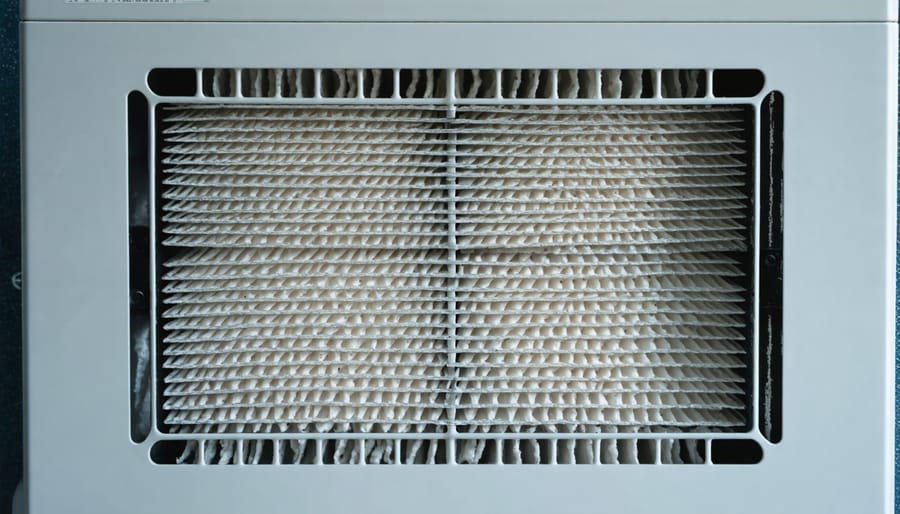
Clean or Replace Air Filters and HVAC Components
Your HVAC system works hard to keep your home comfortable, but it can also become a storage facility for Delta-9 THC odors. As air circulates through your home, odor particles get trapped in ductwork, settle on filters, and cling to components—continuously redistributing that telltale smell throughout your property.
Start by replacing all air filters immediately. These inexpensive components trap odor particles and should be swapped for fresh, high-quality filters. Don’t just upgrade your main HVAC filter—check bathroom exhaust fans, range hoods, and any other ventilation points in your home.
For a deeper clean, remove vent covers and wipe down the visible portions of your ductwork with a mixture of water and mild detergent. Pay special attention to rooms where Delta-9 products were used most frequently. While you’re at it, vacuum out any dust or debris you can reach—this buildup can harbor odors.
Consider hiring a professional HVAC cleaning service for a thorough duct cleaning, especially if you’ve been a regular user or if odors persist after your initial efforts. These specialists use specialized equipment to access deep within your ductwork, removing accumulated particles that DIY methods can’t reach. While this investment typically costs $300-$500, it’s worth it when you’re preparing for a home sale. Clean ductwork not only eliminates odors but also demonstrates proper home maintenance to potential buyers during inspections.
Repaint Walls and Ceilings
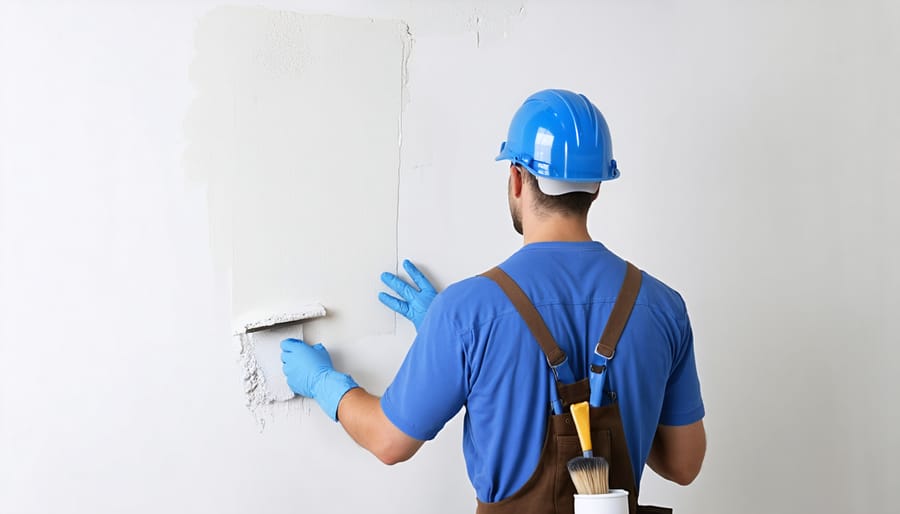
After you’ve thoroughly cleaned and treated all surfaces, repainting walls and ceilings becomes your final defense against lingering Delta-9 THC odors. This step is crucial—don’t skip straight to paint without proper preparation, or you’ll risk odors seeping through and sabotaging your sale.
Start by applying a high-quality odor-sealing primer specifically designed to trap smells. Products like Kilz or Zinsser BIN shellac-based primer create an effective barrier that locks in any remaining odor molecules. Apply at least two coats to walls and ceilings, paying special attention to areas where smoke or vapor may have concentrated. This investment typically costs between $30-50 per gallon but provides essential odor-blocking protection that standard primers simply can’t match.
Once your primer has fully dried, choose paint colors strategically. Fresh, neutral tones like soft grays, warm whites, or gentle beiges appeal to the broadest range of potential buyers and help your home feel clean and move-in ready. These colors also reflect light beautifully, making spaces feel larger and more inviting—exactly what buyers want to see.
Consider using paint with built-in odor-neutralizing technology for an extra layer of protection. While slightly more expensive, these specialized paints can provide added peace of mind during showings.
Remember, proper ventilation during and after painting helps ensure the space smells fresh and paint-free when buyers walk through your door. This final step demonstrates the care you’ve taken in preparing your home for sale.
Use Odor Neutralizers (Not Just Air Fresheners)
Here’s a crucial distinction many homeowners miss: air fresheners simply mask odors temporarily, while neutralizers actually eliminate them at the molecular level. When selling your home, you need genuine odor removal, not a cover-up that potential buyers will see right through—sometimes literally within minutes of entering your home.
**Activated charcoal** is your first line of defense. Place bowls of activated charcoal throughout affected rooms, especially near soft furnishings. Unlike regular charcoal, activated charcoal has millions of tiny pores that trap odor molecules. Replace every few weeks for best results.
**Baking soda** works similarly and costs even less. Sprinkle generously on carpets, upholstery, and mattresses. Let it sit for at least 24 hours before vacuuming thoroughly. For persistent odors, repeat the process multiple times.
**Enzymatic cleaners** break down organic compounds in smoke residue. Look for products specifically designed for smoke odor removal, and follow instructions carefully for hard and soft surfaces.
**Ozone generators** can be highly effective but require caution. These devices must be used in unoccupied spaces—they’re not safe for people or pets during operation. Consider hiring professionals for ozone treatment, as improper use can damage materials and create health hazards. Ventilate thoroughly afterward.
The key is patience and persistence. Odor neutralization takes time, but it’s worth the investment when you’re protecting your home’s sale value.
Increase Ventilation
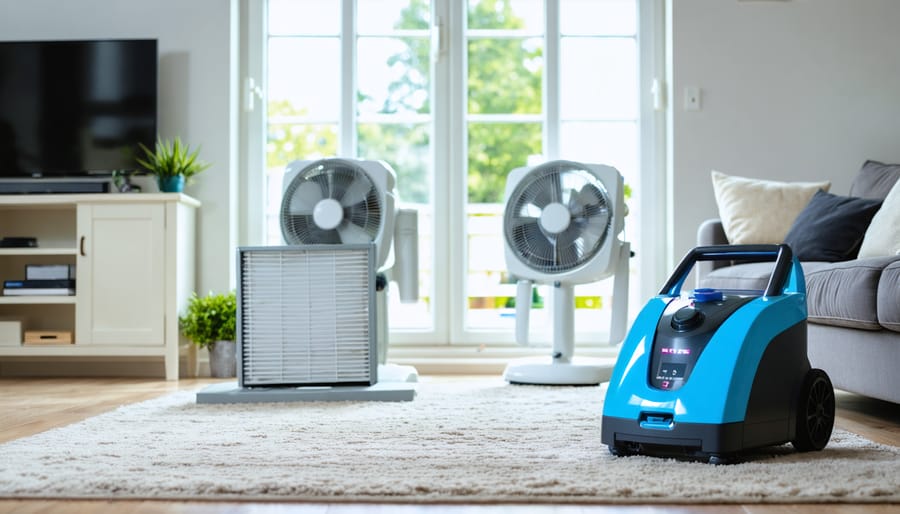
The simplest and most cost-effective step is also one of the most powerful: fresh air. Open all windows throughout your home to create cross-ventilation, allowing cannabis odors to escape naturally. Position box fans or oscillating fans in windows to actively push stale air out while drawing fresh air in from the opposite side of your home.
Run your HVAC system’s fan on continuous mode rather than automatic to keep air constantly circulating through your ventilation system. Don’t forget about often-overlooked spaces like closets, bathrooms, and basements—these areas can trap odors and need attention too.
For maximum effectiveness, aim to ventilate your home for at least 24-48 hours before any showings. Schedule this during mild weather when you can comfortably leave windows open for extended periods. Morning ventilation sessions work particularly well when outdoor air is fresh and temperatures are moderate. This natural airing-out process costs nothing and provides an excellent foundation for any additional odor removal methods you’ll implement.
When to Call in Professional Help
Sometimes DIY methods just aren’t enough to completely eliminate strong Delta-9 THC odors, especially if you’ve been using products regularly over several months or years. If you’ve tried deep cleaning, painting, and airing out your home but still notice that distinctive smell, it’s probably time to bring in the professionals.
Professional odor removal services use specialized equipment and techniques that go beyond typical household cleaning. These experts employ ozone generators, hydroxyl generators, and thermal fogging—tools that penetrate porous materials where odor molecules hide. They can also identify problem areas you might have missed, like HVAC systems or subflooring that have absorbed odors over time.
You should definitely consider professional help if you’re dealing with heavy smoke residue on walls and ceilings, persistent odors after multiple DIY attempts, or if you’re working with a tight timeline to list your home. When preparing a home for sale, the investment in professional services often pays for itself through faster sales and better offers.
Expect to pay anywhere from $500 to $3,000 depending on your home’s size and the severity of the odor problem. Most companies offer free consultations where they’ll assess the situation and provide a detailed quote. The process typically takes one to three days, and you’ll usually need to vacate the home during treatment.
Look for restoration companies with experience in smoke and odor removal—they’ll have the right expertise for cannabis-related odors. Check reviews, verify their certifications, and ask about their success rate with similar situations. A reputable company will guarantee their work and may offer follow-up treatments if needed.
Preventing Odor Issues Before Listing
If you’re a Delta-9 THC user who plans to sell your home down the road, taking preventive measures now can save you significant time, money, and stress later. The good news is that a few simple habits can dramatically minimize odor absorption and make your eventual home sale much smoother.
**Consider outdoor consumption whenever possible.** Taking your Delta-9 THC use outside is the single most effective way to prevent indoor odor buildup. Designate a specific outdoor area away from windows and doors to keep smoke and vapor from drifting back inside. This simple shift in routine can make all the difference when it’s time to list.
**Invest in quality ventilation and air purification.** If outdoor consumption isn’t feasible, ensure you’re using Delta-9 products in well-ventilated spaces near open windows with fans running. A high-quality HEPA air purifier with activated carbon filtration can capture odor particles before they settle into your home’s surfaces. Run these purifiers consistently in the rooms where you consume.
**Establish a regular deep-cleaning routine.** Don’t wait until listing day to address odors. Wash curtains, bedding, and upholstery monthly. Wipe down walls, light fixtures, and other hard surfaces regularly. Vacuum carpets and furniture frequently, and consider steam cleaning every few months.
**Keep fresh air circulating.** Open windows regularly, even in winter, to promote air exchange and prevent stale odors from accumulating. This simple habit keeps your home smelling fresh and reduces the likelihood of stubborn odors taking hold.
Final Pre-Sale Checklist for Odor-Free Showings
Before any showing, run through this essential checklist to ensure your home presents at its absolute best. Start by opening all windows at least 2-3 hours before prospective buyers arrive—even in cooler weather, fresh air circulation is crucial for eliminating any lingering traces. Walk through every room with fresh eyes, paying special attention to soft furnishings, closets, and enclosed spaces where odors might hide.
Consider a subtle scenting approach about 30 minutes before showings. Lightly diffuse universally appealing scents like vanilla, citrus, or fresh linen—but avoid overwhelming artificial fragrances that might signal you’re covering something up. Baking cookies or brewing fresh coffee creates an inviting atmosphere without raising red flags.
Here’s where outside perspective becomes invaluable: ask a trusted friend or neighbor who doesn’t visit regularly to do a “smell test” walk-through. You’ve likely become nose-blind to your home’s scent profile, so their honest feedback is gold. If you’ve implemented vape-friendly interior design elements, ensure these areas are particularly well-ventilated.
Finally, do a quick HVAC filter check and run ceiling fans on low to keep air circulating throughout the showing. These small actions demonstrate care and attention to detail that buyers genuinely appreciate.
Removing Delta-9 THC odors from your home is entirely achievable with the right approach and commitment. While it may require some investment of time, effort, and resources, the payoff is significant—a fresh, neutral-smelling home that appeals to the broadest range of potential buyers and maximizes your property’s value.
Remember, buyers make quick judgments during showings, and creating a welcoming atmosphere starts with eliminating any odors that might distract or concern them. Whether you tackle the project yourself or hire professionals, addressing these odors head-on demonstrates your commitment to presenting your home in its best light.
Every home is unique, and your specific situation may require a customized approach. If you’re feeling uncertain about where to start or want expert guidance tailored to your property, we’re here to help. Our team understands the real estate market and can provide personalized advice to ensure your home is market-ready. Reach out today for a consultation, and let’s work together to make your home sale as smooth and successful as possible.